How to Clean a Pug's Wrinkles Safely
A simple weekly routine to keep your pug's adorable folds clean, dry, and healthy.
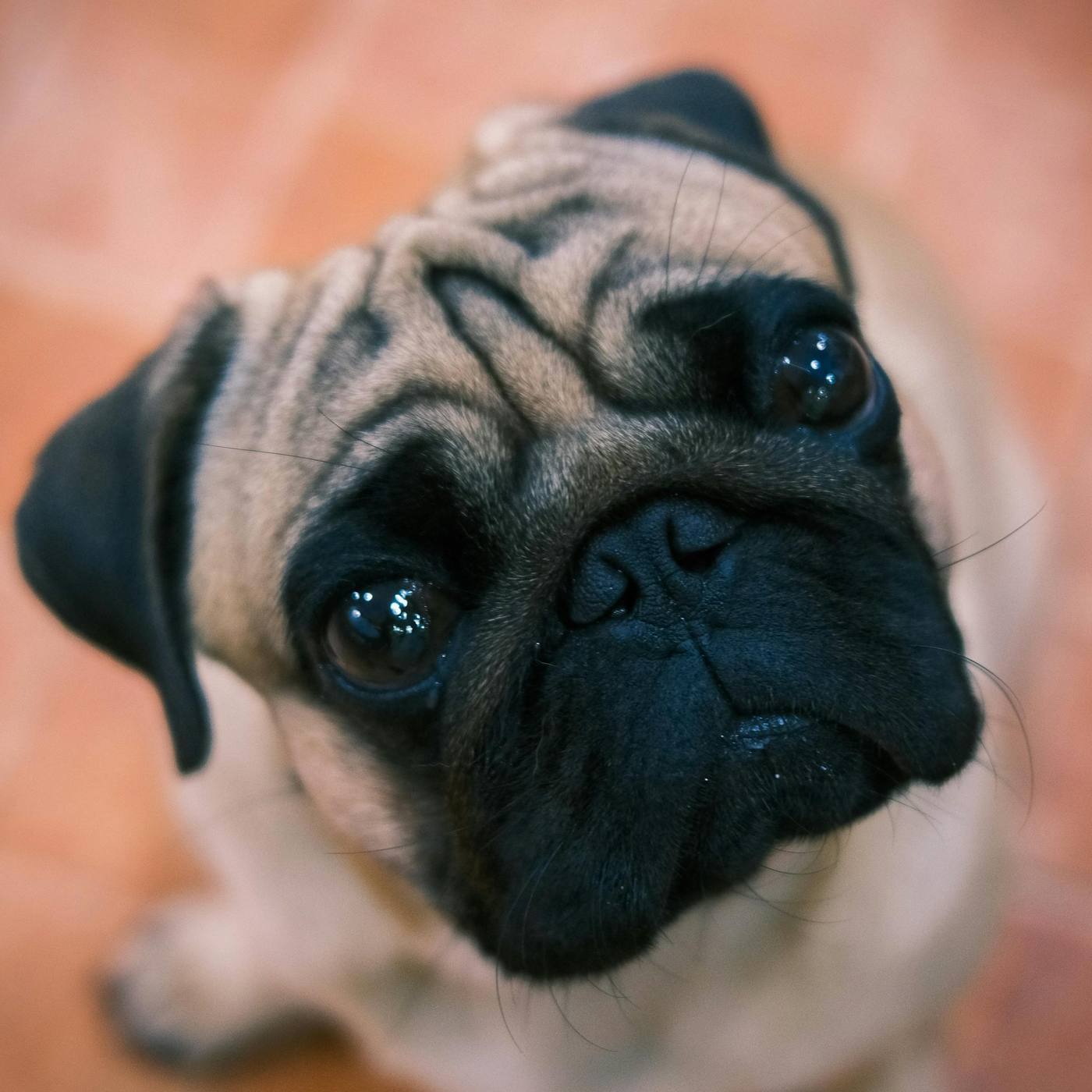
Pugs have a lot going for them. They also have a lot of wrinkles. Those deep skin folds are part of what makes pugs look so expressive and endearing — but they need regular cleaning, or they become a warm, moist breeding ground for bacteria and yeast.
The good news: wrinkle cleaning is simple once you know the routine. The part most owners miss isn't the wiping — it's the drying. More on that in a moment.
Why Pug Wrinkles Need Special Attention
A pug's facial folds aren't just decorative. They're tight creases where skin presses against skin. Sweat, saliva, food particles, and general moisture all get trapped in there. Left alone, that environment is ideal for a condition called skin fold dermatitis (also called intertrigo) — a skin inflammation caused by friction and microbial overgrowth.
It can happen surprisingly fast, especially in warmer weather or after your pug has been eating messily or playing in the garden.
The most common signs that a wrinkle needs attention:
A sour or yeasty smell coming from the face
Redness or darkened skin inside the fold
Discharge — white, yellow, or brownish
Your pug rubbing their face frequently
Crusty buildup, especially around the nasal fold
Some pugs are prone to recurring problems; others barely have issues at all. Skin type, diet, and how flat their face is all play a role.
Which Folds to Clean — and Why Each One Matters
Pugs typically have three main areas that need regular cleaning:
1. The nasal fold This is the deep wrinkle that sits just above the nose and below the eyes. It's the one that causes the most trouble, for two reasons: it collects moisture easily, and in pugs with a particularly prominent fold, it can actually rub against the surface of the eye. That rubbing can lead to corneal irritation or, in more serious cases, corneal ulcers — which are painful and do need veterinary attention.
If you notice your pug squinting, pawing at their eye, or if the eye looks cloudy or teary, don't assume it's just dust. Get it checked.
2. Facial wrinkles (cheeks and forehead) These folds are less risky than the nasal fold but still trap debris. After meals especially, food residue gets pushed into the creases and sits there fermenting.
3. The body fold (under the tail) Pugs often have a tight fold just above their tail. This area is harder to see and easy to forget, but it can develop infections just like the facial folds — sometimes more severe ones, because it's warm and rarely exposed to air. If your pug has been scooting, licking near the tail area, or if you notice any smell coming from that region, check this fold specifically.
What You'll Need
You don't need an expensive kit. What you need is gentle and practical:
Unscented, alcohol-free baby wipes or pet-specific facial wipes
Cotton balls or soft cotton pads (for more detailed cleaning)
A clean, dry cloth or dry cotton pads for drying
Mild saline solution (plain sterile saline, like contact lens saline, works well for gentle cleaning)
Optional: a small amount of pet-safe ear cleaning powder or plain cornstarch to help keep the folds dry after cleaning — ask your vet before using any powder regularly
What to avoid:
Anything with alcohol (stings, dries, and damages skin)
Fragranced wipes or human face wipes with added ingredients
Hydrogen peroxide (too harsh for routine use on skin folds)
Baby powder with talc (there are safety concerns with talc in general; if you want to use powder, plain cornstarch is safer, but check with your vet first)
A note on coconut oil: it comes up a lot in pug owner communities. Some people swear by it as a soothing treatment. The problem is that oil can trap moisture rather than let the skin breathe, and moist skin folds are exactly what you're trying to avoid. If your pug already has a tendency toward fold infections, skip the oils unless your vet has specifically recommended one.
How to Clean Pug Wrinkles: Step by Step
Step 1: Get your pug relaxed If your pug associates wrinkle cleaning with being grabbed and held still, they'll resist every time. Start when they're calm — after a walk, after a meal, or while they're settled on your lap. Keep the mood low-key.
Step 2: Gently open each fold Use your fingers to gently separate the skin fold so you can see inside. Pugs often tolerate this better if you approach from below their chin rather than coming at their face head-on.
Step 3: Wipe the inside of the fold Use a damp wipe or a cotton pad with a little saline. Wipe along the inside of the fold in one direction — don't scrub. You're removing debris and excess moisture, not deep-cleaning a grout line.
For the nasal fold, be extra gentle. If you need to get close to the eye area, be careful not to let the wipe touch the eye itself.
Step 4: Dry thoroughly — this step matters most Take a dry cotton pad or a soft clean cloth and gently pat the fold dry. Not damp. Dry.
This is where most wrinkle cleaning routines fall short. Wiping away visible dirt but leaving moisture in the fold is only slightly better than not cleaning at all, because the moisture still encourages yeast growth. A few seconds of proper drying makes a real difference.
Step 5: Check as you go While you're cleaning, look at the skin. Pink and smooth is normal. Bright red, raw-looking skin, any kind of discharge, or a strong smell means there's already some inflammation or infection developing. That needs veterinary attention — a vet can prescribe an appropriate topical treatment if needed.
Step 6: Reward your pug Seriously. A small treat and a calm voice at the end of the process teaches your pug that wrinkle cleaning is just another part of life, not something to dread.
How Often Should You Clean Pug Wrinkles?
For most pugs, two to three times per week is a reasonable baseline. Some pugs with deep folds or a history of skin problems benefit from daily cleaning.
After meals, it's worth doing a quick wipe of the nasal fold and facial wrinkles even if it's not a full cleaning day — food residue sitting in a warm fold for hours is a recipe for irritation.
In summer, or if your pug has been sweaty after exercise or time outside, more frequent cleaning helps.
The tail fold should be checked at least weekly. It doesn't need as frequent cleaning as the face, but it's easy to miss an early infection there.
Signs of a Skin Fold Infection
Cleaning is preventive. But if an infection has already developed, cleaning alone won't fix it.
Take your pug to the vet if you notice:
Persistent redness that doesn't improve after a few days of careful cleaning
A strong, persistent smell that comes back quickly after cleaning
Any yellow, green, or bloody discharge
Skin that looks thickened, darkened, or scabbed
Your pug showing signs of discomfort — rubbing the face, flinching when you touch the area
Skin fold infections are typically treated with topical antifungal or antibacterial creams, and sometimes with oral medication if they're more advanced. The treatment depends on whether it's bacterial, yeast-based, or both — which is why a vet diagnosis matters rather than reaching for a generic product from the pet store.
A Few Extra Tips
Puppies: Get your pug puppy used to wrinkle cleaning as early as possible. Doing it regularly from a young age means it becomes completely normal to them. An adult pug who has never had their folds touched can be much harder to work with.
After swimming or bathing: Always dry the folds carefully after your pug has been in water. Bath time is actually a common trigger for fold irritation because people wash the face and forget to dry inside the wrinkles.
Flat-faced (brachycephalic) consideration: Pugs are a brachycephalic breed, which means their facial anatomy is compressed. Their folds are often deeper and closer to sensitive structures like the eyes than in other breeds. Care that might be low-stakes in a dog with a normal muzzle shape can have bigger consequences in a pug. When in doubt about any product or treatment, check with your vet.
Veterinary note: This article is for general guidance only. If your pug has a skin fold infection, recurring skin problems, or any changes to their eyes, please consult a veterinarian. Skin fold dermatitis can range from mild to quite serious, and the right treatment depends on what's actually causing the problem.
Related Articles
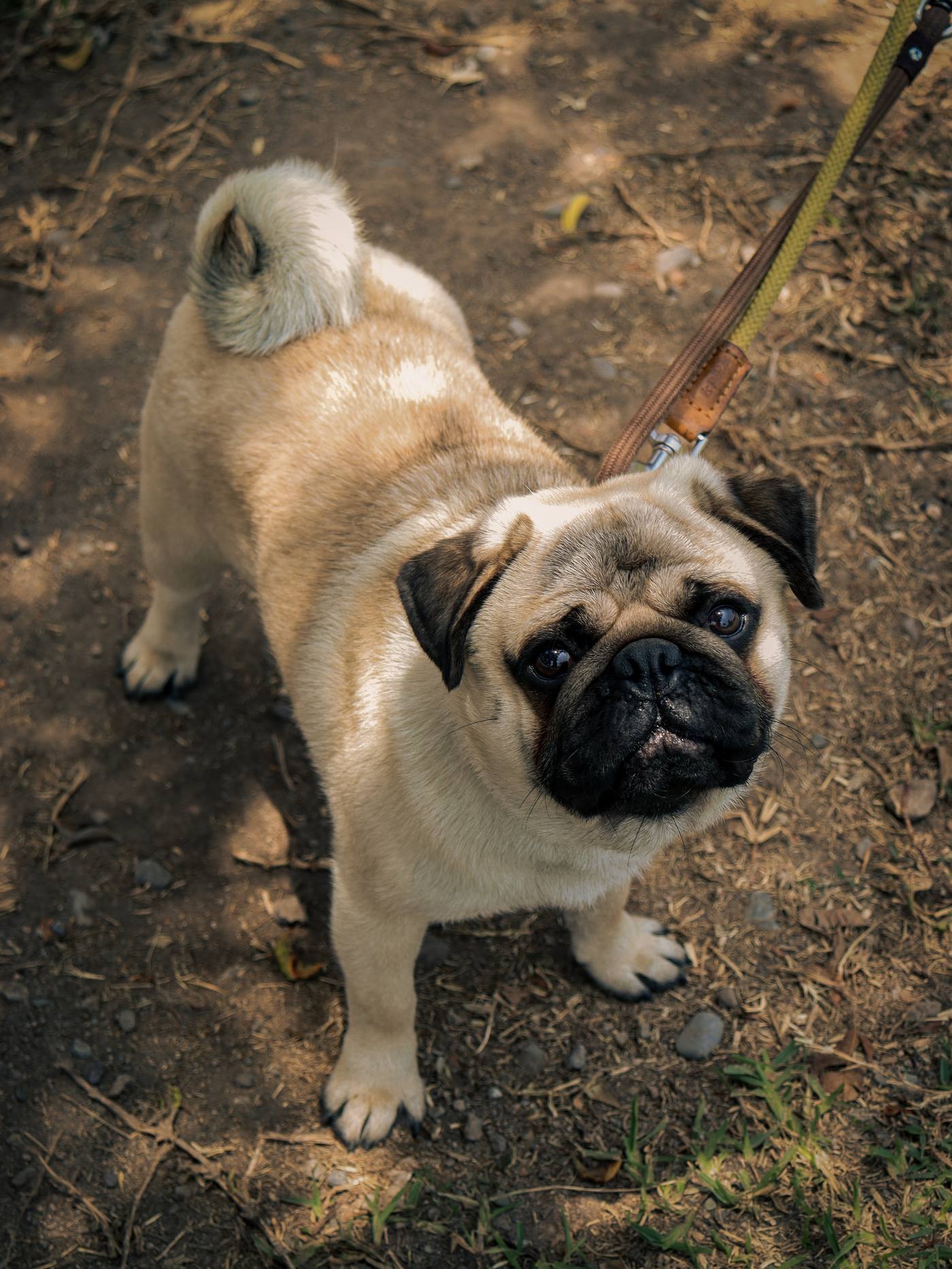
Can Pugs Be Left Alone? Separation Anxiety Guide
How long can a pug be left alone, signs of separation anxiety, and practical steps to help your pug feel calm when you're out.
Read more →
Is a Pug Right for You? Honest Guide for Future Owners
Thinking about getting a pug? Read the honest pros, cons, health needs, lifestyle fit, and real ownership costs before you commit.
Read more →Are Pugs Easy to Train? Beginner Training Guide
Pugs can be stubborn, but they are trainable. Learn what actually works, how short sessions should be, and the biggest mistakes to avoid.
Read more →