Can Pugs Be Left Alone? Separation Anxiety Guide
How long can a pug be left alone, signs of separation anxiety, and practical steps to help your pug feel calm when you're out.
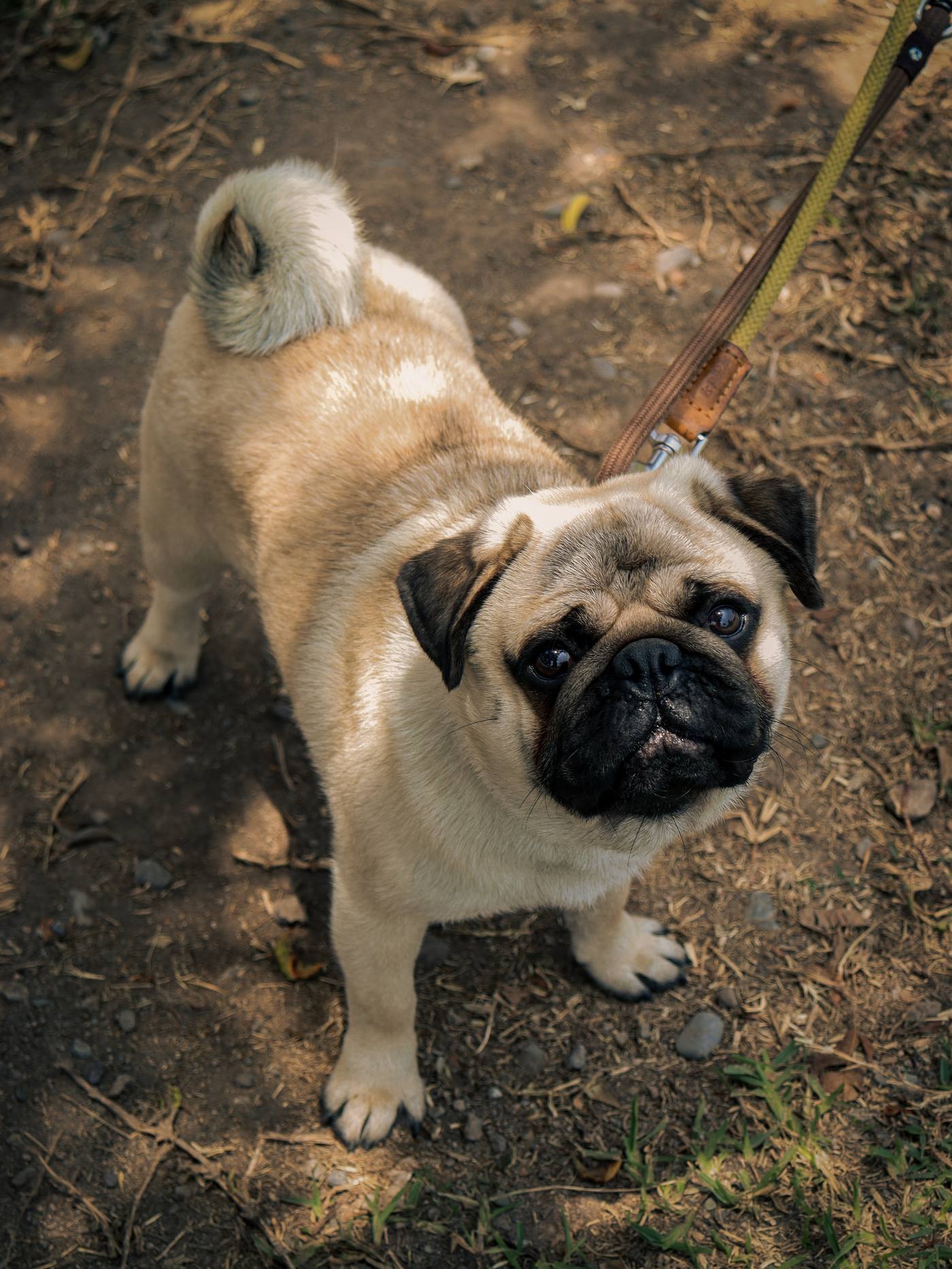
If you work full-time, run errands, or just want a couple of hours to yourself, it is fair to ask whether a pug can really cope. Pugs have a reputation for following their humans from room to room, and that reputation is mostly earned. They were bred to be lap dogs, not lone wolves.
The short answer: yes, pugs can be left alone — but not for as long as some breeds, and not without a bit of preparation. They are a sensitive, people-oriented breed, and they tend to do better when alone time is built up gradually rather than dropped on them all at once.
Here is what new owners actually need to know.
Why Pugs Struggle With Alone Time
Pugs were developed in ancient China specifically as companion dogs for nobility. Centuries of breeding shaped a dog whose main job is to be near people. That history matters. Trainers and breed organisations often flag pugs as a breed prone to separation-related behaviour, partly because they bond so closely and partly because they were not bred to work independently like a collie or terrier.
There is also a physical layer that other small breeds do not have to deal with. Pugs are brachycephalic — flat-faced — which means their airway is already more vulnerable at rest. When a pug becomes stressed, panting, barking, or pacing can quickly turn into laboured breathing.
So separation anxiety in a pug is not just an emotional issue; it can become a physical welfare problem if it is intense or repeated.
That does not mean every pug is anxious. Plenty are perfectly relaxed when their owners leave. But it does mean it is worth taking the question seriously from day one.
How Long Is Too Long?
The most widely cited welfare guideline, from the RSPCA, is that adult dogs should not be left alone for more than four hours at a time. That is not a pug-specific rule — it applies to all dogs — but it is a sensible ceiling, and most behaviourists would agree that pugs sit at the more sensitive end of that range rather than the tolerant end.
A realistic breakdown looks like this:
- Pug puppies under 6 months: very short stretches only. A common rule of thumb from vets is that puppies can hold their bladder for roughly one hour per month of age, so a 3-month-old can manage about three hours at most. Emotionally, most young pug puppies are not ready to be alone for more than one to two hours at a stretch.
- Adult pugs aged 1 to 8 years: up to about four hours is reasonable for a confident, well-adjusted pug. Pushing past six hours regularly is too much for most.
- Senior pugs: closer to puppy territory. Older pugs often need more frequent toilet breaks, and many become more clingy with age.
If your daily schedule means your pug would be alone for eight or nine hours, you will need to plan around it. A midday dog walker, a trusted neighbour, a doggy daycare a few days a week, or working from home some days are all reasonable options. None of this is unique to pugs, but pugs often feel the gap more than independent breeds do.
Signs of Separation Anxiety
Not every bark or chewed slipper means separation anxiety. The clue is usually a consistent pattern that only happens when the pug is alone.
Common signs include:
- Whining, howling, or barking that starts shortly after you leave.
- Toileting in the house despite being house-trained.
- Chewing doors, skirting boards, or items that smell like you.
- Pacing, drooling excessively, or trembling.
- Refusing to eat treats or chews while you are out.
- Going wild on greeting you, even after a short absence.
Pug owners sometimes notice the snoring-and-grunting noises pick up too, because stressed breathing in a flat-faced dog is noisier than in a regular dog. If you suspect anxiety, a cheap pet camera or even a phone propped on a shelf is the easiest way to find out what is actually happening. Many dogs settle within minutes; others escalate the moment the door closes.
It is also worth ruling out boredom, which can look almost identical. A pug who has nothing to do for six hours may chew the rug. That is a stimulation problem, not necessarily an anxiety one — though over time, chronic boredom can tip into real distress.
Teaching a Pug to Be Okay Alone
The goal is not to force a pug to get used to it. It is to teach them, in small steps, that being alone is unremarkable and even mildly pleasant. The approach welfare organisations recommend is gradual desensitisation, and it works well for pugs.
A simple version looks like this:
- Start with you in the room. Reward your pug for settling on their bed or mat. Calm is the behaviour you are paying for.
- Step away briefly. Walk to another part of the room, then return. No fuss. Build up to leaving the room for a few seconds.
- Add the door. Step out, close the door, come back almost immediately. Repeat at random intervals so leaving does not become a predictor of long absences.
- Stretch the time. Slowly extend how long you are gone — a minute, five minutes, fifteen. Move at your pug's pace. If they are distressed when you come back, the last step was too big; drop back.
- Mix in real departure cues. Pick up your keys, put on your shoes, then sit down again. Pugs are sharp at reading routine, and breaking the shoes-on-means-panic link helps.
A long-lasting chew, a stuffed Kong, or a snuffle mat given just before you leave can shift the association. If your pug is eating happily while you are out, that is a good sign. If the treat is still untouched when you get home, they were too stressed to engage with it.
A few practical things that help:
- Keep arrivals and departures low-key. Big emotional goodbyes wind a pug up. A calm “see you later” is enough.
- Leave them tired. A short walk and some play before you leave takes the edge off. Just be careful about exercising a pug in heat — overheating is a bigger risk for this breed than for most.
- Give them a comfortable spot. A cool room, water available, and somewhere shaded can make alone time safer and easier.
- Try gentle background noise. Soft radio or a fan can help some pugs by muffling outside triggers like delivery vans or doorbells.
What About Crating?
Crate training, used properly, can give a pug a safe and familiar space. It is not a long-term containment solution, though. A crate is for short periods and only if your pug genuinely sees it as a den, not a trap.
For an anxious pug, locking them in a crate can make panic worse, including the breathing kind. If you crate, the crate should be associated with calm, food, and choice — never with punishment, and never as a way to wait out a distressed dog.
A puppy playpen or a single safe room with a baby gate is often a better setup for pugs who need more space than a crate but should not have free run of the house yet.
What Not to Do
A few things consistently make separation anxiety worse:
- Punishing accidents or chewing after the fact. Your pug will not connect your anger with the thing they did three hours ago. They will just learn that your return is unpredictable and scary.
- Flooding. Leaving a panicking pug alone for hours to get over it does not work and is genuinely cruel.
- Inconsistent routine. Random absences with no pattern make it harder for your pug to predict and relax.
- Ignoring breathing changes. If your pug is distressed enough that their breathing becomes laboured, their gums look bluish, or they collapse, that is an emergency. Treat severe anxiety as a medical issue, not just a behaviour one.
When to Call Your Vet or a Behaviourist
If your pug shows signs of real distress — sustained barking, destruction, soiling, refusal to eat — and basic training is not moving the needle within a few weeks, it is worth bringing in help.
Start with your vet. They can rule out medical causes such as pain, urinary issues, or cognitive decline in older pugs, and refer you to a qualified clinical animal behaviourist if needed.
In severe cases, vets can also discuss whether short-term medication alongside a behaviour plan might be appropriate. That is a conversation for a professional, not a blog. The point is simple: separation anxiety is a recognised condition, and you do not have to figure it out alone.
A quick note: this article is general information, not veterinary advice. If your pug's behaviour is changing suddenly, or if breathing problems are part of the picture, please see your vet rather than relying only on guidance from any website.
The Honest Summary
Most pugs can be left alone for a few hours a day, especially if you build up to it gradually and give them something to do. They are not a breed that thrives on long, solo workdays, but they are not impossible either.
The owners who do best with pugs tend to plan ahead — flexible hours, a walker, a partner who works different shifts, or a daycare day or two — rather than trying to force a sensitive companion breed into a routine that does not suit them.
Related Reading
- How to Take Care of a Pug: Complete Beginner's Guide
- Pug Puppy Care: What New Owners Need to Know
- How Much Exercise Does a Pug Need?
- Best Toys for Pugs That Get Bored Easily
- How to Keep a Pug Cool in Summer
FAQ
Can a pug be left alone for 8 hours?
Not regularly. Eight hours is longer than welfare bodies like the RSPCA recommend for any dog, and pugs are a more sensitive breed than average. If your schedule means an 8-hour absence is unavoidable, plan for a midday walker, a neighbour drop-in, or daycare so your pug gets a break.
At what age can I start leaving my pug puppy alone?
Very gradually, from day one. Short separations of a few minutes help puppies learn that being alone is normal. For longer stretches, a young puppy realistically should not be on their own for more than one to two hours, partly because their bladder is not ready and partly because their emotional resilience is still developing.
My pug cries the moment I leave. Is that separation anxiety?
It might be, but it could also be protest or boredom. Set up a camera and watch what happens after the first few minutes. If your pug settles within five to ten minutes, you are probably fine. If the distress continues or escalates, it is worth treating as anxiety and starting gradual training — and asking a vet if it is severe.
Does getting a second pug help with separation anxiety?
Sometimes, but it is not a guaranteed fix. Some dogs do calm down with company; others stay anxious about you specifically and are not soothed by another dog. Getting a second pug doubles the costs, the vet visits, and the work — it should not be a first-line solution.
Is it okay to crate my pug while I am at work?
For short periods, with proper training, a crate can be a calm space. For a full workday, no — that is too long for a pug to be confined. A playpen or a dog-proofed room is usually a better option for longer absences.
Will a dog walker really make a difference?
Yes, often a big one. Splitting a long absence into two shorter ones gives your pug a toilet break, social contact, and a reset. It also reduces the risk that they will start associating your departure with hours of nothing.
Related Articles
Are Pugs Easy to Train? Beginner Training Guide
Pugs can be stubborn, but they are trainable. Learn what actually works, how short sessions should be, and the biggest mistakes to avoid.
Read more →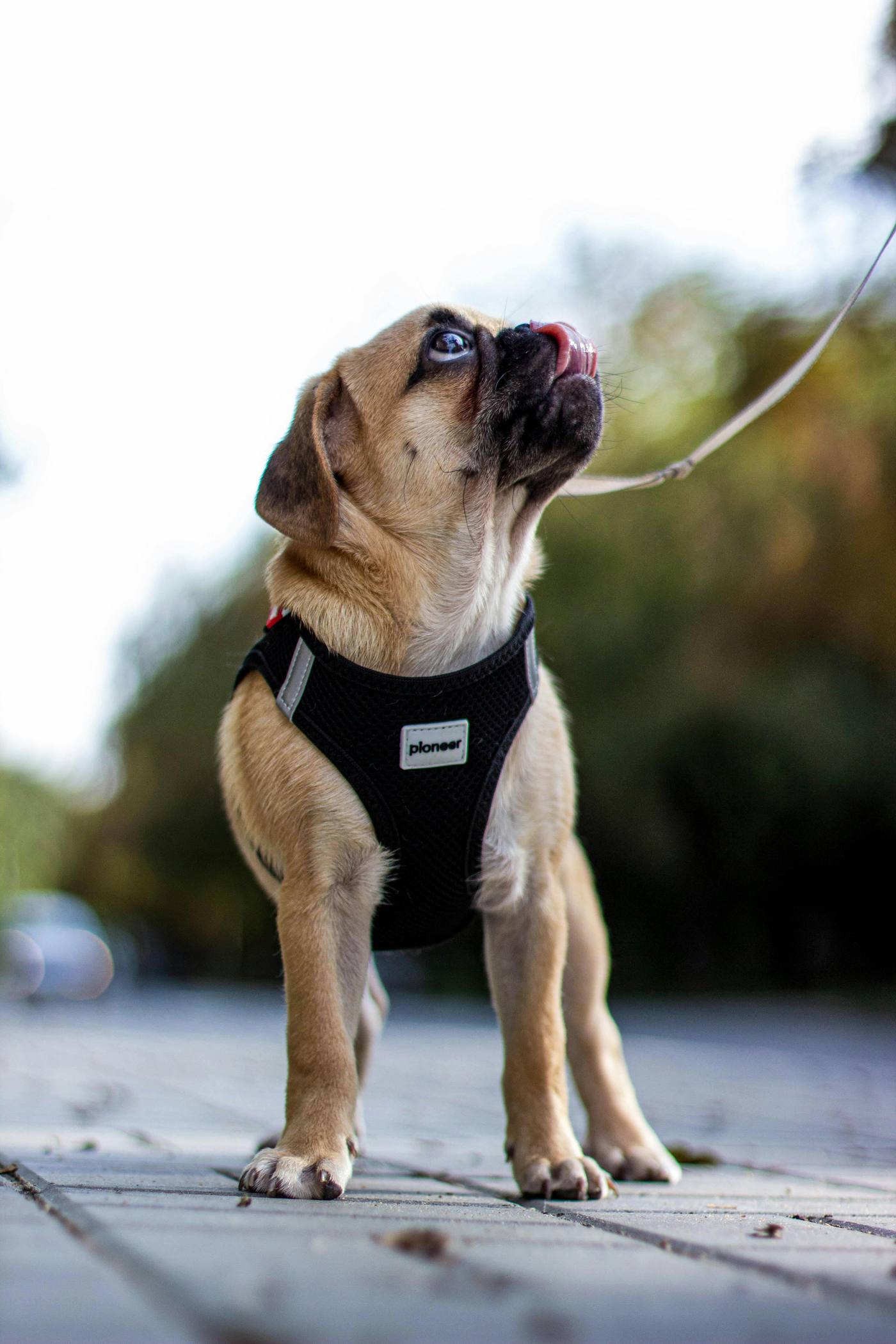
How to Potty Train a Pug Puppy: Simple Step-by-Step Guide
A realistic pug-specific potty training routine covering schedules, crate training, accidents, rewards, and weather challenges.
Read more →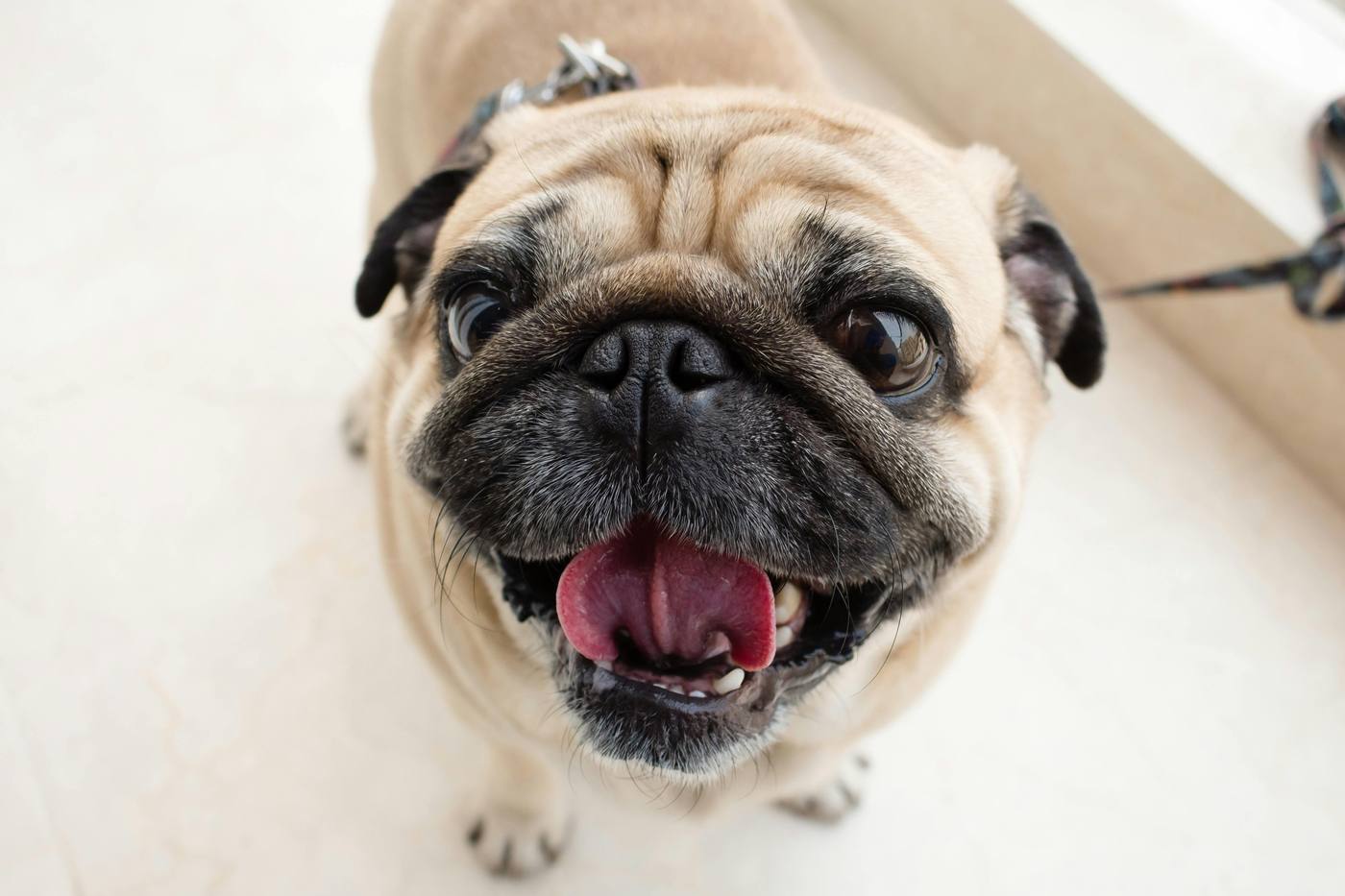
Is a Pug Right for You? Honest Guide for Future Owners
Thinking about getting a pug? Read the honest pros, cons, health needs, lifestyle fit, and real ownership costs before you commit.
Read more →