How to Take Care of a Pug: Complete Beginner's Guide
Everything new pug owners need: daily routines, feeding, grooming, exercise, training, and health basics.
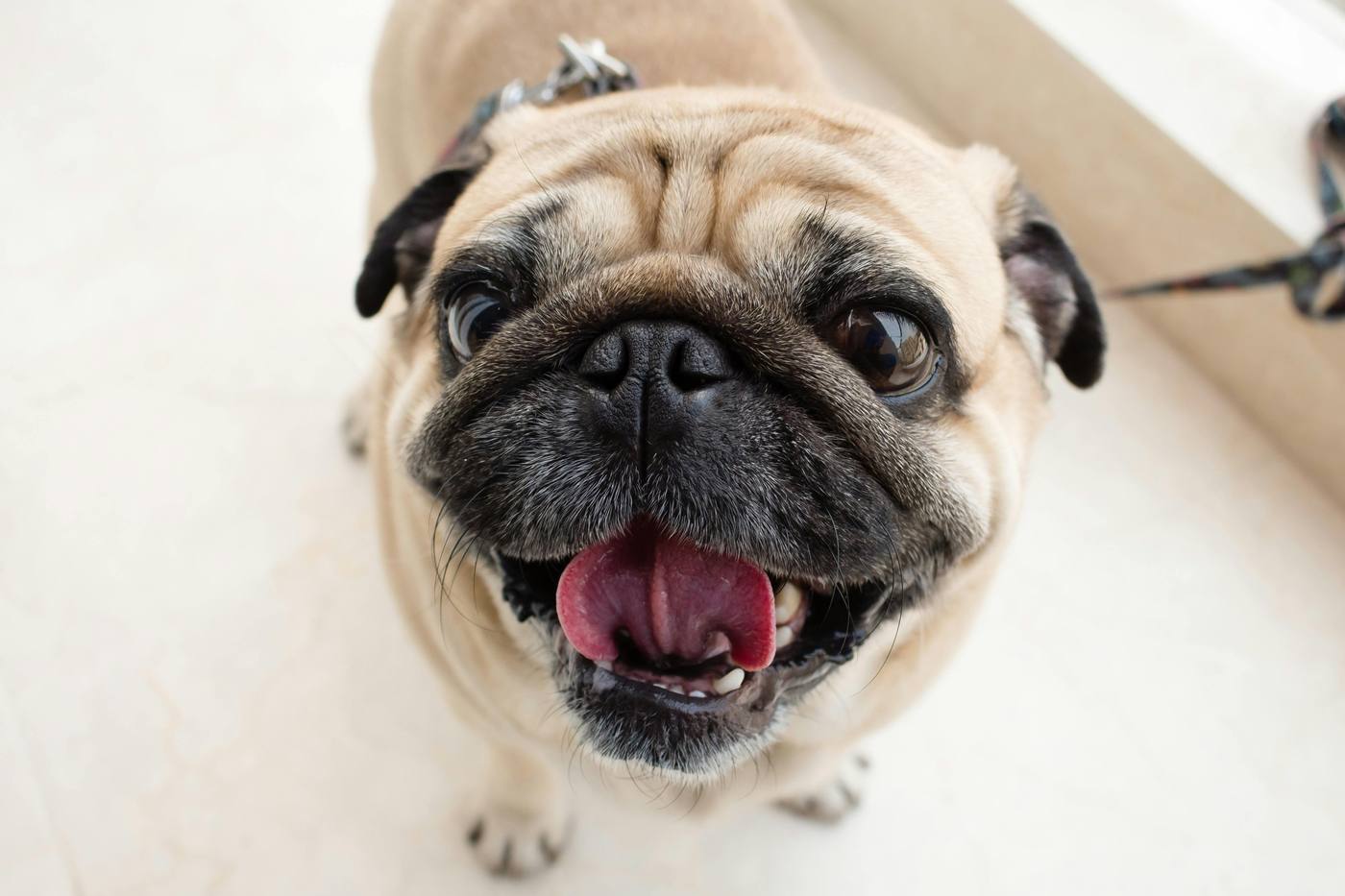
Pugs are funny, affectionate, and surprisingly demanding little dogs. If you've just brought one home — or you're about to — you're probably noticing that they come with a few quirks that ordinary dog advice doesn't quite cover.
The snorting. The wrinkles. The way they look at you like you owe them something.
This guide covers what you actually need to know to take care of a pug well: feeding, grooming, exercise, health, and the things that catch new owners off guard. It's not a list of obvious tips. It's a practical starting point built around what pugs are really like.
What Makes Pugs Different from Other Dogs
Before getting into the daily routine, it helps to understand one thing: pugs are a brachycephalic breed. That means they have a flat face and a shortened skull structure, which affects their breathing, their heat tolerance, and how much physical activity they can safely do.
This isn't something to be alarmed about — millions of people keep pugs happily and healthily — but it does mean that some standard dog advice doesn't apply. Pugs can't run as hard or as long as other breeds. They overheat faster. They need their wrinkles cleaned. Their eyes are more exposed and more vulnerable than most dogs'.
Once you understand that, most of the care decisions make more sense.
Feeding Your Pug
How much to feed
Pugs have a genuine talent for gaining weight. They tend to overeat if you let them, and even a little extra weight puts strain on their joints and — more importantly — on their already-compressed airways. A slightly overweight pug breathes harder. A significantly overweight pug can develop serious health problems.
Most adult pugs do well on two measured meals a day rather than free-feeding. The exact portion depends on your pug's age, weight, and the specific food you're using — your vet or the food manufacturer's guidelines are the right starting point, not a general rule of thumb.
Treats should be small and infrequent. It's easy to accidentally overfeed a pug through training treats alone, especially during puppyhood.
What to feed
A high-quality commercial dog food formulated for small breeds is a reasonable starting point for most pugs. Look for a food where a named protein (chicken, turkey, fish, beef) is the first ingredient, and avoid foods with excessive fillers or vague meat "by-products" as the primary ingredient.
Some pug owners feed raw or home-cooked diets, but these require careful planning to ensure nutritional completeness. If you're considering this route, speak to a vet or a veterinary nutritionist before switching.
There are ingredients that are genuinely toxic to dogs and should never be given to your pug: grapes, raisins, onions, garlic, chocolate, xylitol (found in sugar-free foods and chewing gum), macadamia nuts, and alcohol. This isn't an exhaustive list — if you're unsure about a food, check before offering it.
Fresh water
Keep a clean bowl of water available at all times. Pugs that eat dry kibble especially need consistent access to water throughout the day.
Grooming a Pug
Pugs are short-haired dogs, which might make you think grooming is low-maintenance. That's partly true — they don't need haircuts. But they shed a surprising amount for their size, and they have specific grooming needs that other short-haired dogs don't.
Brushing
Brush your pug two to three times a week with a soft-bristle brush or a grooming mitt. This helps manage the shedding (which can be considerable), keeps their coat healthy, and gives you a chance to check for any skin issues.
Wrinkle cleaning
This is probably the most pug-specific grooming task, and it's important not to skip it.
Pugs have deep facial folds that trap moisture, dead skin, and debris. If you don't clean them regularly, bacteria and yeast can build up, leading to skin fold dermatitis — an uncomfortable infection that causes redness, odour, and irritation.
How often you need to clean them depends on your individual pug. Some need it daily; once or twice a week is often enough for others. Use a soft, dry cloth or a gentle, unscented wipe designed for dogs. The area under the nose roll (the fold above the nose) and between any other facial folds needs attention. After cleaning, make sure the skin is dry — trapped moisture is the problem, so leaving it damp defeats the purpose.
If you notice redness, a bad smell, discharge, or your pug rubbing their face, those are signs of infection and worth a vet visit.
There's a separate, more detailed guide on this on the site — How to Clean a Pug's Wrinkles Safely — which covers the process step by step.
Eyes
Pug eyes are large and prominent, which makes them beautiful and also vulnerable. Check your pug's eyes regularly for redness, cloudiness, discharge, or any sign that one eye looks different from the other. A small amount of clear discharge in the corner of the eye is usually normal; anything yellow, green, or excessive isn't.
If your pug ever has an eye that suddenly looks swollen, bulging more than usual, or clearly painful, contact a vet the same day. Eye injuries in pugs can escalate quickly.
Nails and ears
Nails need trimming every three to four weeks on average, though it varies by dog. Overgrown nails can change how a pug stands and walks, and long nails on small dogs can cause joint strain over time.
Ears should be checked weekly for wax build-up, redness, or smell. Use a vet-recommended ear cleaner and a cotton ball — never cotton swabs inside the ear canal.
Teeth
Dental disease is common in small breeds. Brushing your pug's teeth a few times a week with a dog-safe toothpaste makes a real difference. If brushing isn't realistic, dental chews and water additives can help, though they're not a substitute for brushing. Your vet will likely check your pug's teeth at routine appointments.
Exercise and Activity
Pugs need daily exercise, but less than most dogs their size — and the type of exercise matters.
How much is enough
For a healthy adult pug, around 20 to 30 minutes of exercise per day is generally appropriate, split into shorter sessions. A slow 15-minute walk morning and evening is a common and sensible routine.
What you're watching for is whether your pug is coping comfortably. Pugs that are breathing very hard, slowing right down, or sitting and refusing to move are telling you they've had enough. That's not stubbornness — it's physiology. Their airways are narrower than other dogs, and pushing through breathing distress can cause real harm.
Weather matters a lot
Pugs overheat faster than most breeds. In warm or humid weather, even moderate exercise becomes risky. Many experienced pug owners shift walks to early morning or evening in summer, and skip outdoor exercise entirely on very hot days.
Signs of overheating include excessive panting, drooling, weakness, pale or red gums, and disorientation. Heatstroke in pugs is a genuine emergency. If you suspect it, get them into a cool environment, offer water, and contact a vet immediately.
More detail on this in the summer guide: How to Keep a Pug Cool in Summer.
Mental stimulation
Pugs are intelligent and easily bored. Food puzzles, sniff walks, and short training sessions give them mental engagement that physical exercise alone doesn't provide — and that matters for their overall wellbeing.
Health: What to Watch For
Pugs are a generally robust breed, but they do have a few recurring health concerns that every owner should know.
Breathing: Some pugs breathe noisily and that's normal for the breed. But laboured breathing, open-mouth breathing at rest, or a noticeable change in your pug's breathing should be discussed with a vet. Brachycephalic Obstructive Airway Syndrome (BOAS) affects many pugs to varying degrees, and in some cases surgical correction genuinely improves quality of life.
Weight: Worth repeating. Excess weight is one of the most common — and most preventable — health problems in pugs. It worsens breathing, strains joints, and shortens lifespan.
Skin infections: Particularly in the wrinkles and around the tail fold (some pugs have a deep fold at the base of their tail that also needs cleaning).
Eyes: Corneal ulcers, dry eye, and in rare cases proptosis (when an eye partially or fully comes out of the socket due to trauma) are genuine risks with prominent eyes. Handle your pug's head carefully.
Joint problems: Hip dysplasia and luxating patella (kneecap dislocation) are not uncommon in the breed.
Neurological: Pug Dog Encephalitis (PDE) is a rare but serious inflammatory brain disease specific to pugs. It's worth knowing about, though most pugs never develop it.
Routine vet check-ups — typically once a year for healthy adult pugs — are the best way to catch problems early.
Collars and Harnesses
Because of their neck structure and airway sensitivity, most vets and breed experts recommend using a harness rather than a collar for walking pugs. A collar that puts pressure on a pug's throat can aggravate breathing problems. A well-fitted harness distributes the pressure across the chest instead.
That said, if your pug has significant breathing difficulties, speak to your vet about the safest option for your individual dog.
Living Environment
Pugs are indoor dogs. They're not suited to living outside, and they don't do well in hot or very humid environments. They also don't tolerate cold particularly well — some pugs appreciate a light coat or jumper in winter, especially if they're older or underweight.
They're affectionate and tend to be quite attached to their people, which is charming but also means they can develop separation anxiety if left alone for long stretches regularly. Pugs generally do best in homes where someone is around for most of the day, or where they're gradually trained to cope with alone time.
Pug Ownership: A Quick Reality Check
Pugs are genuinely wonderful dogs. But they're not the right fit for everyone.
They require more health monitoring than many breeds. Vet bills can be higher due to breed-specific issues. They shed. They snore. They can't go jogging with you. In hot climates, their care needs real attention and planning.
If you're prepared for that, they're loyal, funny, endlessly entertaining companions who tend to be deeply involved in whatever you're doing. Most pug owners will tell you there's no going back.
Basic Pug Care Checklist
Here's a simple summary of the regular care tasks:
Daily: Feed measured meals, fresh water, brief walk (weather permitting), wrinkle check
2–3x per week: Brush coat, dental care
Weekly: Check ears, clean wrinkles as needed, check eyes
Every 3–4 weeks: Trim nails (or have a groomer do it)
Annually: Vet check-up, vaccinations as scheduled, flea/tick/worming as recommended by your vet
This article contains general information only and is not a substitute for veterinary advice. If you have concerns about your pug's health, breathing, or weight, speak to a qualified vet.
FAQ
Are pugs hard to take care of?
Pugs are affectionate and relatively easy to live with, but they're not low-maintenance dogs. Their flat faces mean they need more health monitoring than most breeds — particularly around breathing, overheating, wrinkle care, and weight. If you go in knowing that, they're very manageable.
How often should I take my pug to the vet?
A healthy adult pug generally needs a check-up once a year. Puppies need more frequent visits in their first year for vaccinations and growth checks. Older pugs (usually from around age 8 onwards) often benefit from twice-yearly checks. If you notice anything unusual — changes in breathing, appetite, energy, or eyes — don't wait for the annual appointment.
Do pugs need a lot of exercise?
Less than many dogs their size — around 20 to 30 minutes of moderate exercise per day is usually enough for a healthy adult pug. The key is keeping sessions short, watching your pug's breathing, and avoiding exercise in heat or humidity.
Why does my pug snore and snort so much?
Because of their shortened skull structure, pugs have narrower airways than most dogs, which causes the characteristic snoring, snorting, and reverse sneezing. Some of this is normal. Loud, laboured breathing or breathing that seems to exhaust them is worth discussing with a vet, as it can indicate BOAS.
Should I use a collar or harness on my pug?
Most vets recommend a harness for pugs because a collar can put pressure on their throat and aggravate breathing problems. A well-fitted, comfortable harness that distributes pressure across the chest is generally the safer choice — though if your pug has specific health issues, ask your vet for guidance.
How long do pugs live?
The generally accepted average lifespan for pugs is around 12 to 15 years, though this varies. Good weight management, regular vet care, and attention to breathing health all contribute to a longer, more comfortable life.
Related Articles
Is a Pug Right for You? Honest Guide for Future Owners
Thinking about getting a pug? Read the honest pros, cons, health needs, lifestyle fit, and real ownership costs before you commit.
Read more →
Do Pugs Need a Lot of Exercise? Pug Exercise Guide
Learn how much exercise pugs need, why they should avoid intense activity, and how to keep walks safe in warm weather.
Read more →
How Hot Is Too Hot for a Pug? Heat Safety Guide
Learn what temperatures can be risky for pugs, how to spot overheating, and how to keep your pug cool and safe in warm weather.
Read more →