How Hot Is Too Hot for a Pug? Heat Safety Guide
Learn what temperatures can be risky for pugs, how to spot overheating, and how to keep your pug cool and safe in warm weather.
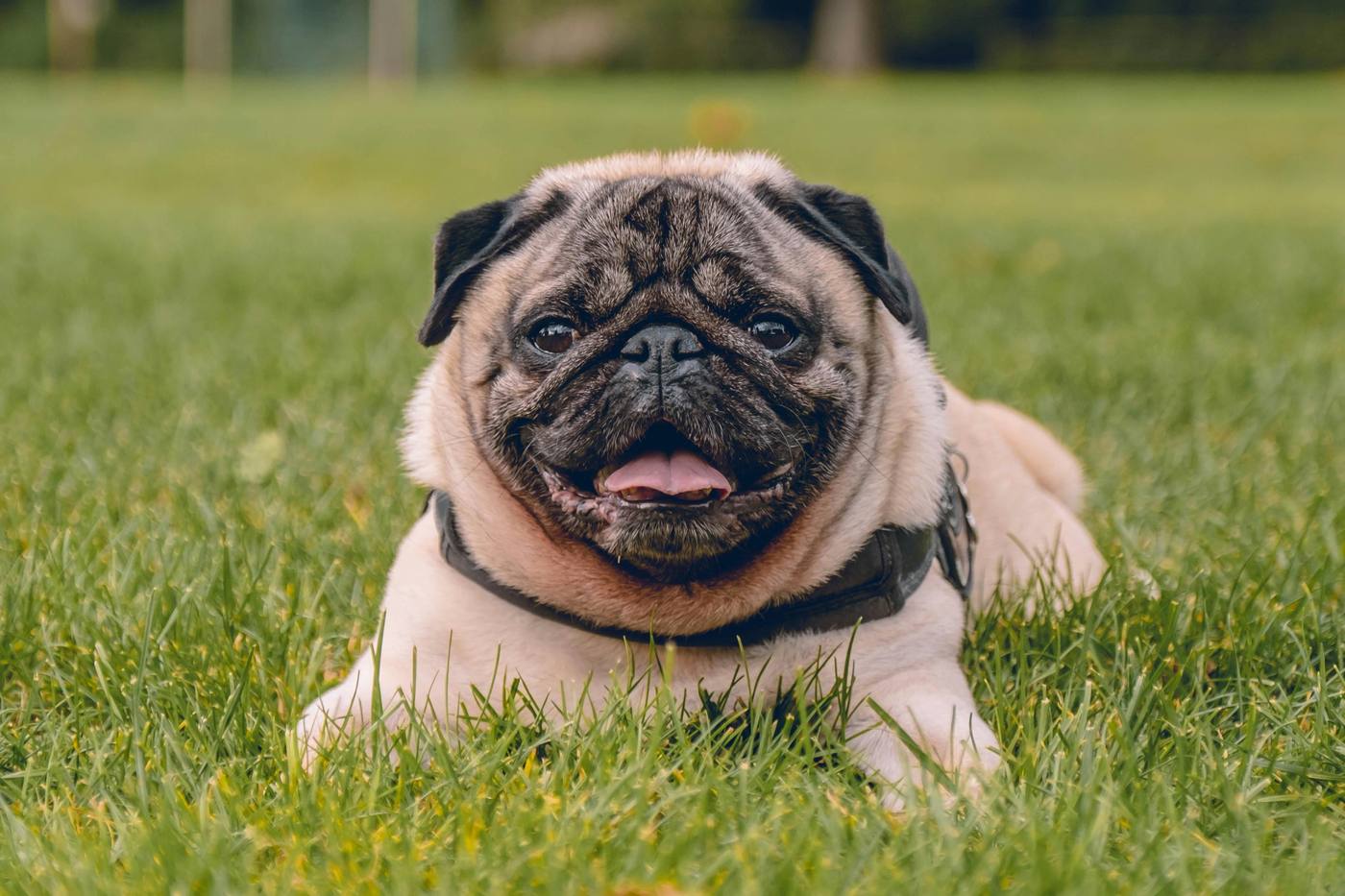
If you've spent five minutes with a pug on a warm day, you already know something is different. They start panting harder than other dogs, slow down faster, and sometimes look genuinely miserable even when the temperature seems fine to you. That's not a coincidence. Pugs have real physical limitations when it comes to heat, and they need more help from you than most breeds do.
This guide covers why pugs struggle in summer, how to keep them safe, and what to do if things go wrong.
Why Pugs Overheat So Easily
Most dogs cool themselves down by panting. When a dog pants, air moves rapidly over the moist surfaces of the tongue, mouth, and upper respiratory tract, and heat leaves the body through evaporation. It works well — but only if the airway is wide enough to move a lot of air quickly.
Pugs are brachycephalic, which means their skulls are shortened and their facial features are compressed. The result is narrower nostrils, a longer soft palate that can partially block the throat, and a shorter windpipe. A pug's panting is less efficient than a Labrador's or a Beagle's. They're working harder to move the same amount of air, which means they heat up faster and cool down more slowly.
This isn't a minor difference. Brachycephalic dogs are consistently overrepresented in heat-related veterinary emergencies. Some studies have found they face significantly higher risk of heatstroke compared to dogs with normal airways.
Add to that the fact that pugs are prone to obesity — which makes everything worse — and you have a breed that genuinely needs extra care in warm weather.
How Hot Is Too Hot for a Pug?
There is no single safe number, but as a careful rule of thumb most pugs should be watched closely above around 20–22°C (68–72°F) and kept mostly indoors above about 28°C (82°F), especially in humidity. Pugs are flat-faced (brachycephalic) dogs, which means they cannot cool themselves by panting as efficiently as most breeds and can overheat much faster. When in doubt, choose the cooler, shorter option and contact your vet about any signs of distress.
There's no exact safe temperature because it depends on humidity, shade, whether the pug is exercising, and the individual dog's health. That said, most vets and breed specialists agree that pugs should be monitored carefully above around 20–22°C (68–72°F), especially if they're being walked or played with.
Above 25°C (77°F), outdoor activity should be minimal and kept to shaded areas. Above 28–30°C (82–86°F), most healthy pugs should stay indoors with access to air conditioning or a cool, well-ventilated room.
Humidity matters as much as temperature. A humid 24°C day can be more dangerous than a dry 28°C day, because high humidity reduces how effectively panting cools the body.
Signs Your Pug Is Getting Too Hot
Knowing the early signs is the difference between a quick cool-down and a vet emergency. Watch for:
Heavy, laboured panting — more intense or noisy than usual
Drooling more than normal
Slowing down suddenly on a walk or refusing to move
Red or very pink gums and tongue
Glazed or unfocused eyes
Lethargy or seeming "out of it"
These are early to moderate signs. If you see any of them, stop activity immediately and start cooling (see below).
More serious signs that require immediate veterinary attention:
Vomiting or diarrhoea
Stumbling or losing coordination
Gums turning bright red, then pale or grey
Collapse or inability to stand
Seizures
A dog's normal body temperature is approximately 38–39.2°C (100.4–102.5°F). Heat stroke is generally considered to begin around 40°C (104°F), and temperatures above 41°C (106°F) can cause organ damage within minutes.
If your pug shows the serious signs above, start cooling immediately and call your vet or an emergency clinic right away. Do not wait.
How to Cool a Pug Down Safely
If your pug is overheating — emergency cooling steps
Move them to a cool, shaded area immediately. Indoors with air conditioning is ideal.
Wet them with cool water — not ice cold. Focus on the paws, neck, armpits, and groin where blood vessels are close to the skin. Use a wet cloth or gentle pouring.
Use a fan to help evaporation if available.
Offer small amounts of cool (not iced) water to drink. Don't force it.
Call your vet. Even if your pug seems to recover quickly, heat stroke can cause internal damage that isn't visible. A vet check is always the right call.
One important point: Do not use ice or ice-cold water. Rapid, extreme cold can cause surface blood vessels to constrict, which actually reduces the body's ability to lose heat and can make things worse. Cool tap water is what you want.
Also, do not cover your pug with a wet towel or blanket. Covering traps heat in rather than letting it escape.
Prevention: Practical Ways to Keep a Pug Cool in Summer
Adjust walk times
This is the single most effective change you can make. Walk your pug early in the morning — before 9am if possible — or in the early evening after the heat has dropped. Avoid the midday and early afternoon heat entirely.
Also check the pavement before you go. Press the back of your hand flat against it for seven seconds. If it's uncomfortable to hold there, it's too hot for your pug's paw pads, which can burn more quickly than most owners realise.
Keep walks short and slow
Even in cooler parts of the day during a heatwave, keep walks brief. Pugs don't need long walks at the best of times — 20–30 minutes is typically plenty. In summer, shorter is better, and let your pug set the pace. If they stop, respect it.
Make sure fresh water is always available
This sounds obvious, but it's easy to forget to top up the bowl, especially if you're spending time outside. Bring water on walks. A collapsible travel bowl is worth the small investment.
Use cooling products thoughtfully
A few things can genuinely help:
Cooling mats — these use pressure-activated gel that absorbs body heat. Many pugs will use them voluntarily if you put them in a favourite resting spot.
Damp towels — a cool, damp (not soaking wet) towel laid out for your pug to lie on. Replace it when it warms up.
Shallow paddling pools — some pugs will wade in, some won't. Even standing in cool water for a minute or two helps. Supervise at all times.
Cooling bandanas — soaked in water and tied loosely around the neck. Modest effect, but can help.
Always let your pug choose whether to use these. Don't force them into water if they're reluctant.
Never leave your pug in a parked car
The temperature inside a parked car can reach lethal levels within minutes, even with windows cracked, even on a relatively mild day. This is non-negotiable.
Keep the home cool
If you don't have air conditioning, keep curtains or blinds closed on the sunny side of the house during the day. Fans help with airflow but are less effective for dogs than for humans, since dogs don't cool through skin perspiration the way we do. A combination of shade, airflow, and access to cool water is more effective than a fan alone.
Ground floors and tiled surfaces are cooler than upstairs rooms or carpeted areas. Your pug will probably figure this out on their own and migrate accordingly.
Watch their weight
Overweight pugs are at significantly higher risk of heat problems. Extra body fat insulates heat in, and carrying extra weight puts more strain on the heart and lungs — already under pressure in a brachycephalic dog. If your pug is overweight, speak to your vet about a safe weight management plan. This is worth doing year-round, but it matters especially in summer.
Pugs With BOAS Need Extra Care
Some pugs have more severe breathing difficulties than others due to Brachycephalic Obstructive Airway Syndrome (BOAS). Signs of more serious BOAS include very loud snoring, honking or rasping sounds during mild activity, frequent gagging, or obvious effort to breathe even at rest.
If your pug has been diagnosed with BOAS or shows these signs, they need to be treated as high-risk in warm weather. Talk to your vet specifically about heat management, and ask whether a referral to a veterinary specialist is appropriate. Corrective surgery can significantly improve breathing and quality of life in severely affected dogs — which also makes them safer in heat.
A Quick Reference: Summer Pug Safety
Safe habits for warm days:
Walk before 9am or after 7pm
Keep outdoor sessions under 20 minutes in warm weather
Always have water available
Check the pavement temperature before walking
Let your pug rest when they want to
Keep the home cool and shaded
Avoid:
Exercise during midday or afternoon heat
Hot cars, even briefly
Forcing exercise when your pug is reluctant
Ice or ice-cold water for cooling
Call the vet immediately if:
Your pug collapses, vomits, or loses coordination
Gums turn very bright red, pale, or grey
Panting doesn't slow down after 10–15 minutes of cooling
You're worried — trust your instincts
This article is for general information only and is not a substitute for veterinary advice. If your pug shows signs of heatstroke, contact your vet or emergency clinic immediately.
FAQ
At what temperature is it too hot to walk my pug?
There's no single exact number, but most pug owners and vets suggest being cautious above 20–22°C, especially if it's humid. Above 25°C, keep outdoor time very short and stick to shade. On days above 28–30°C, it's usually safest to skip outdoor walks entirely and give your pug indoor activity instead.
Can pugs swim to cool down?
Some pugs enjoy paddling in very shallow water, and standing in a few inches of cool water can help lower body temperature. However, pugs are not strong swimmers. Their body shape — heavy head, short legs, barrel chest — makes swimming difficult and tiring. Never put a pug in deep water unsupervised. A shallow paddling pool with an easy exit is fine for short supervised sessions.
My pug is panting a lot indoors with the fan on. Is that okay?
It depends. Some panting indoors in warm weather is normal. But if your pug seems distressed, won't settle, is drooling heavily, or the panting is very laboured, check for signs of overheating. Fans alone don't cool dogs as effectively as cool air does — if the room air itself is very warm, a fan mainly moves warm air around. Access to a cooler room, a tiled floor, or a cooling mat is more helpful.
Can I put an ice pack on my pug to cool them down?
Direct ice packs or ice-cold water aren't recommended. The extreme cold can cause surface blood vessels to constrict, which slows down the body's ability to release heat. Cool tap water applied to the paws, neck, and groin is safer and more effective. If you're using a cooling mat or wrap designed for pets, follow the product instructions.
How do I know if my pug has heatstroke rather than just being hot?
A pug that's simply warm will pant, slow down, and want to rest — and will recover within a few minutes once moved somewhere cool with water. A pug in heatstroke will continue to deteriorate even after cooling attempts. Vomiting, stumbling, gum colour changes, collapse, or continued heavy panting that doesn't ease are all serious signs. When in doubt, call the vet.
Do cooling vests actually work for pugs?
Cooling vests that use evaporation (soaked in cool water before use) can provide some benefit, especially on walks in mild-to-moderate heat. They won't prevent overheating in extreme conditions, and they're not a substitute for avoiding the heat. If you use one, follow the manufacturer's instructions and monitor your pug throughout. Make sure it fits well and doesn't restrict movement or breathing.
Related Articles
Is a Pug Right for You? Honest Guide for Future Owners
Thinking about getting a pug? Read the honest pros, cons, health needs, lifestyle fit, and real ownership costs before you commit.
Read more →How to Take Care of a Pug: Complete Beginner's Guide
Everything new pug owners need: daily routines, feeding, grooming, exercise, training, and health basics.
Read more →
Do Pugs Need a Lot of Exercise? Pug Exercise Guide
Learn how much exercise pugs need, why they should avoid intense activity, and how to keep walks safe in warm weather.
Read more →