The Complete Pug Care Guide
Everything you need to keep your pug happy, healthy, and thriving — from puppy to senior.
This guide covers daily care, feeding, grooming, exercise, training, and senior health. Use the table of contents to jump to the section you need, or read through for a complete picture of pug care. For specific topics, explore our dedicated pug care articles.
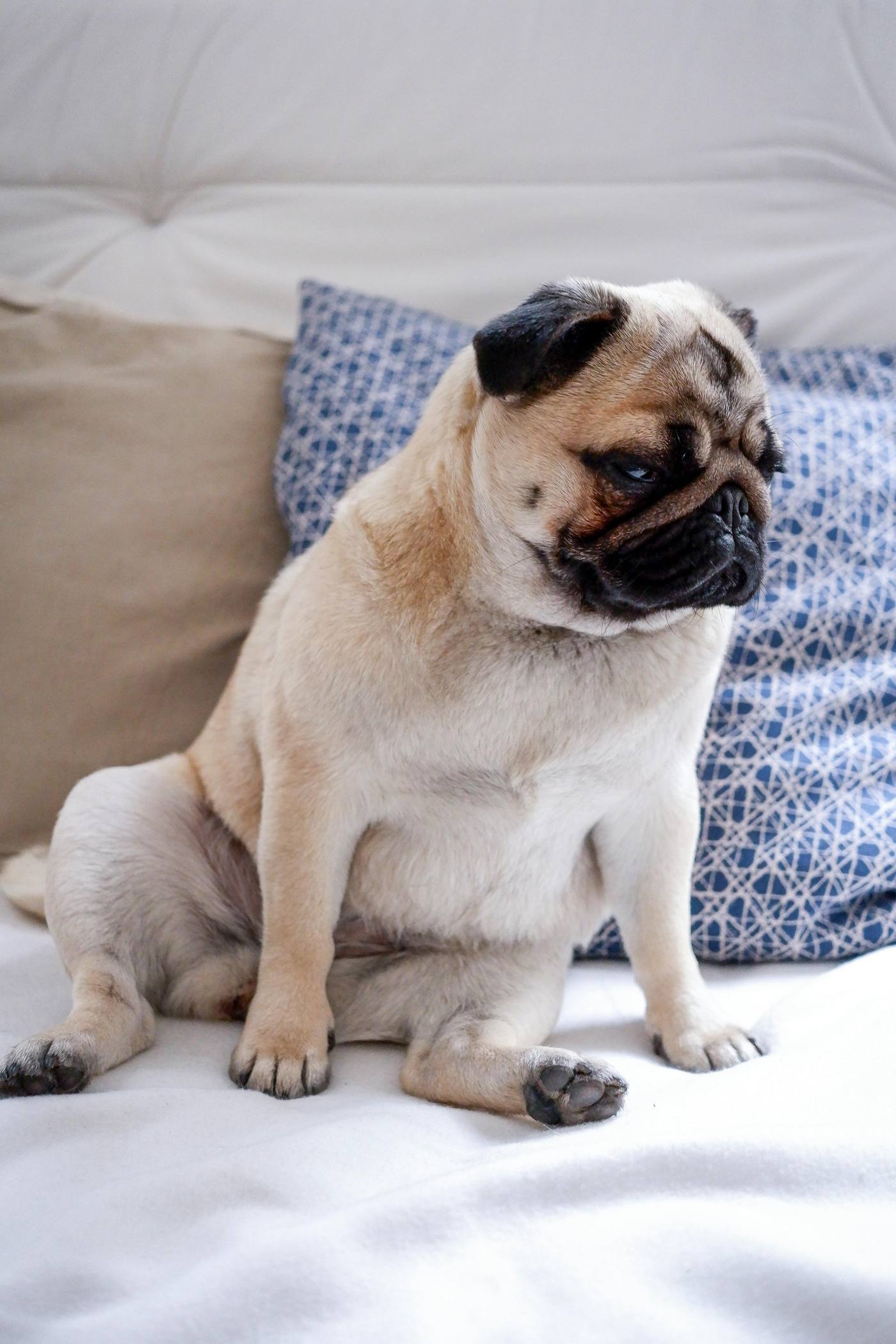
Pugs are not low-maintenance dogs. That surprises some first-time owners, because pugs look compact and easygoing. But their flat face, heavy wrinkles, and stocky build mean they need more attention than a lot of other small breeds.
That's not a reason not to get one. It's just useful to know upfront.
This guide covers everything you need to keep a pug healthy and comfortable: what they eat, how much exercise they actually need, how to handle their wrinkles, what health issues to watch for, and how to set up daily routines that work. If you're new to pugs, start here. For raising a young pug, see our companion guide on how to care for a pug puppy, and for breed-specific medical concerns see common pug health issues.
Understanding the Pug's Body
Before getting into routines, it helps to understand why pugs need the care they do.
Pugs are a brachycephalic breed. That means they have a shortened skull and a flat face. It's the same category as French Bulldogs, Boston Terriers, and Bulldogs. Their soft palate, nostrils, and airways are all affected by this structure, which means breathing is harder for them than it is for a Labrador or a Border Collie.
This shapes almost everything in pug care:
They overheat faster because they can't pant efficiently
They tire more quickly during exercise
They're more sensitive to stress, excitement, and humidity
They snore, snort, and wheeze — often quite loudly — as a normal baseline
Some pugs have more serious breathing difficulties than others. A condition called Brachycephalic Obstructive Airway Syndrome (BOAS) affects many flat-faced breeds and can range from mild to severe. If your pug struggles to breathe after minimal activity, sleeps restlessly, or seems to labor just walking around, talk to your vet. There are surgical options that can make a real difference.
None of this means pugs are fragile. They're actually sturdy, resilient little dogs. But knowing their anatomy helps you make better decisions every day.
Feeding a Pug
Pugs love food. Genuinely, enthusiastically, will-stare-at-you-until-you-give-in love food. And because of that, weight management is one of the most important parts of pug care.
An overweight pug puts extra strain on their joints, their spine, and — most critically — their already compromised airway. Even a few extra pounds makes breathing noticeably harder for a flat-faced dog.
What to Feed
A complete, high-quality commercial dog food formulated for small or medium breeds is a reasonable baseline. Look for real protein as the first ingredient. Avoid foods heavily padded with fillers. Beyond that, the right food for your specific pug depends on their age, activity level, and whether they have any health conditions — your vet is the right person to make a specific recommendation.
Pug puppies need puppy food until around 12 months. Senior pugs (generally 7+) often do well on a lower-calorie senior formula, but again, your vet can guide this.
How Much to Feed
Follow the feeding guide on your dog food packaging as a starting point, but watch your pug's body condition rather than relying on portions alone. You should be able to feel your pug's ribs without pressing hard. You should also see a slight waist when looking at them from above. If ribs are buried and the waist has disappeared, it's time to cut portions and talk to your vet.
What to Avoid
Table scraps (too easy to overdo, and some human foods are genuinely dangerous)
Frequent treats without reducing meals to compensate
Grapes, raisins, onions, garlic, xylitol, chocolate, macadamia nuts — all toxic to dogs
Free feeding (leaving food down all day makes it very hard to manage weight)
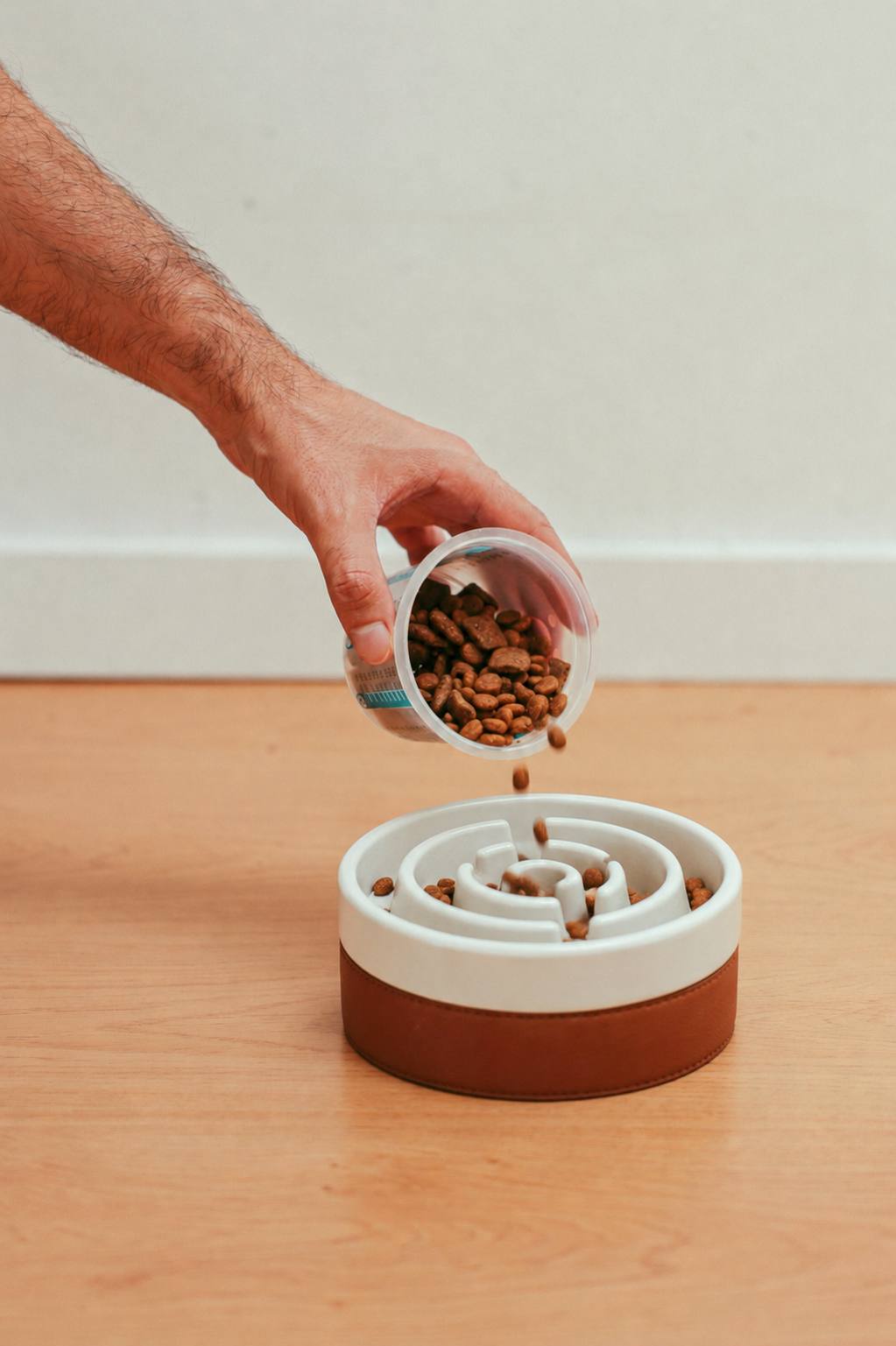
Measure meals. Use a proper measuring cup, not a rough scoop. It makes a bigger difference than you'd think.
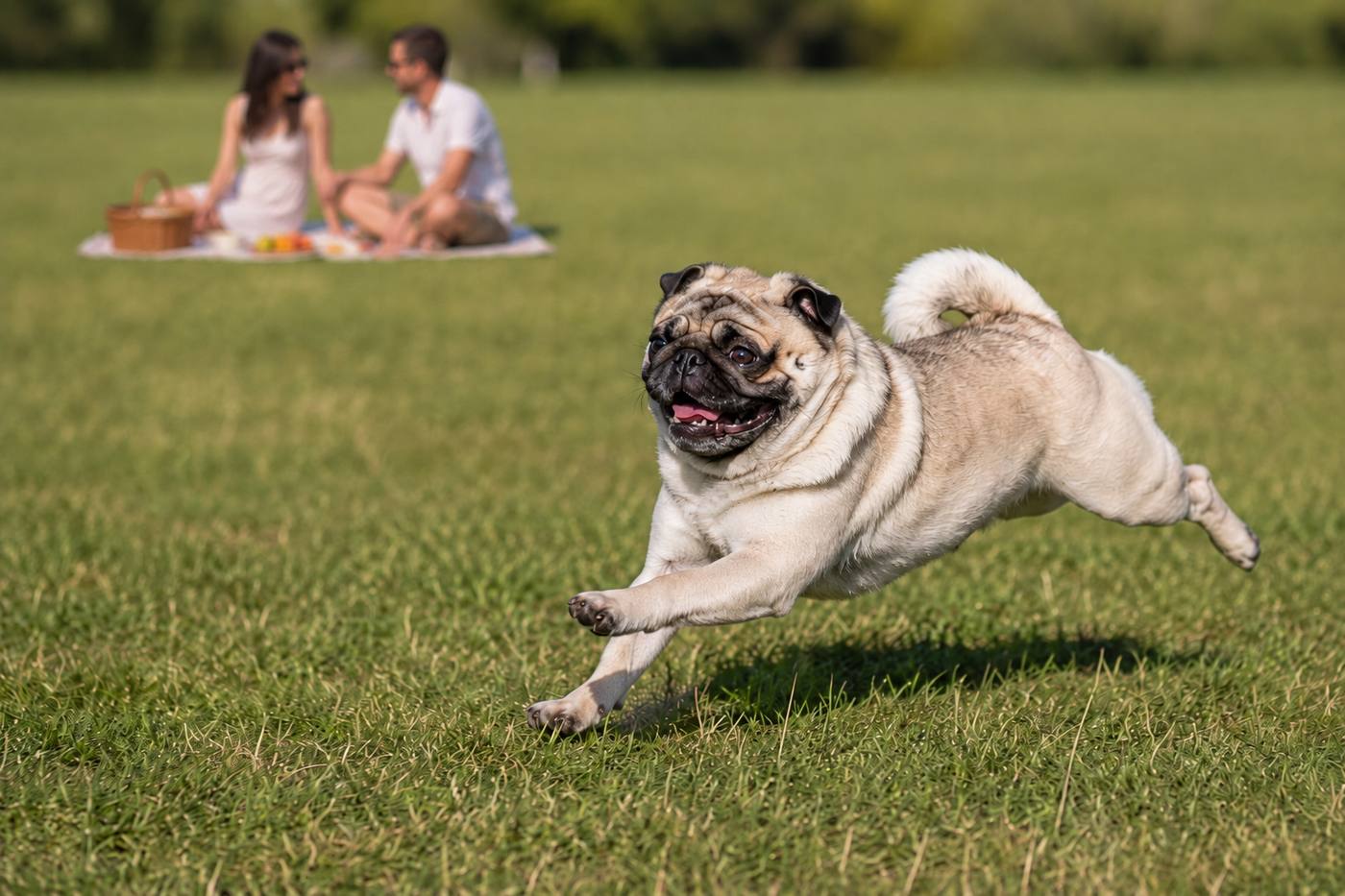
Exercise: Enough, But Not Too Much
Pugs need daily exercise, but they have real limits.
Around 20 to 30 minutes of moderate walking per day is a commonly recommended guideline for adult pugs, ideally split into two shorter walks rather than one long one. Some pugs can handle a bit more; others, especially those with noticeable breathing issues, need less.
The key signs that your pug has had enough:
Heavy labored breathing that doesn't settle within a few minutes of stopping
Sitting or lying down mid-walk and refusing to continue
Blue or pale gums (this is an emergency — stop immediately and seek help)
Excessive drooling or distress
Weather Matters Enormously
Never exercise a pug in hot or humid weather. Pugs can overheat quickly and with little warning. In summer, walk early in the morning or in the evening when it's cooler. Avoid pavements that are hot enough to burn paw pads — if you can't hold the back of your hand on the ground for seven seconds, it's too hot for their feet.
A good rule of thumb: if the temperature is above around 20–22°C (68–72°F), be cautious. Higher than that, keep walks very short or skip them and provide indoor enrichment instead.
Exercise Alternatives
On days when outdoor exercise isn't safe, mental stimulation matters just as much. Puzzle feeders, training sessions, and indoor play all help. Pugs are intelligent enough to get bored, and a bored pug tends to become a destructive one.
Grooming a Pug
Pugs don't need haircuts, but they do need regular grooming attention in a few specific areas.
Wrinkles
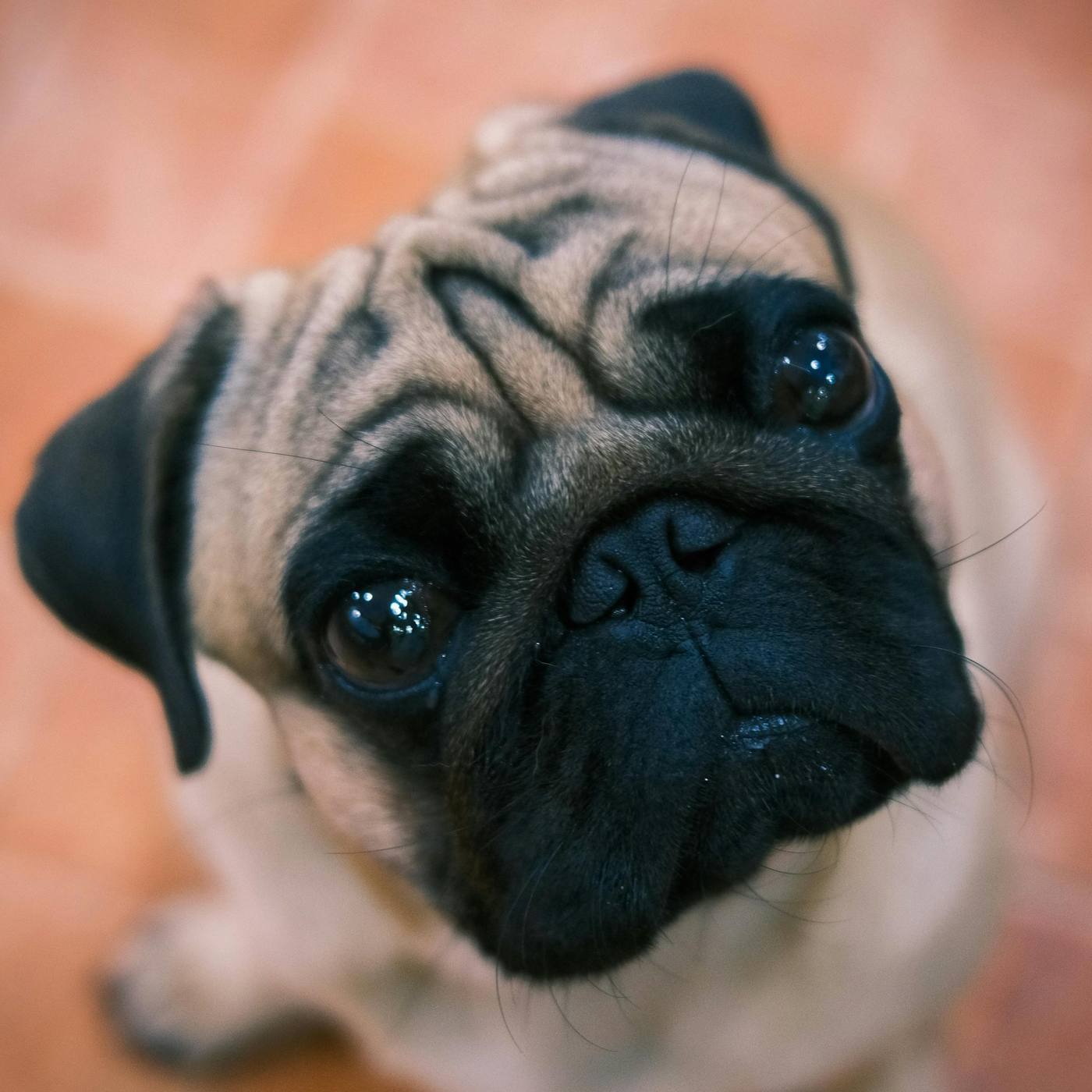
This is the one that catches new owners off guard. Pug wrinkles — especially the deep fold above the nose — trap moisture, dirt, and dead skin cells. Left unattended, this creates the perfect environment for a bacterial or yeast infection, which causes redness, odor, and real discomfort.
Clean the wrinkles 2–3 times per week as a minimum, or daily if your pug is prone to buildup. Use a soft damp cloth or fragrance-free dog-safe wipe. Dry the folds thoroughly afterward — moisture left in the folds is what causes the problem.
Never use human skincare products, baby wipes with fragrance, or anything containing alcohol in the folds.
The Tail Pocket
Many pugs have a small skin fold just above or below the tail. It's easy to miss, but it needs the same cleaning attention as the facial wrinkles. Check it when you groom, keep it dry, and watch for redness or odor.
Shedding and Coat Care
Pugs shed a lot for their size. A short, weekly brush with a soft-bristle brush or deshedding tool will reduce the hair around your home considerably. Some owners brush more frequently during heavy shedding seasons (spring and autumn).
Bathing every 3–4 weeks is usually enough. More frequent bathing can dry out their skin. Use a gentle dog shampoo.
Ears, Nails, and Teeth
Ears: Check weekly for redness, odor, or dark discharge. Clean gently with a dog ear cleaning solution and cotton balls.
Nails: Trim every 3–4 weeks. Long nails change how a pug stands and walks, which adds stress to their joints.
Teeth: Dental disease is very common in dogs. Brushing your pug's teeth several times a week — with dog-safe toothpaste — is the most effective prevention. Dental chews can help, but they're not a substitute.
Health Issues to Know About
Pugs are prone to a number of health conditions. Knowing about them doesn't mean your pug will develop them, but it helps you notice problems early.
Breathing difficulties (BOAS): As covered above. Watch for labored breathing, sleep apnea, or intolerance to exercise or heat.
Eye problems: Pugs have large, prominent eyes that are more exposed than in most breeds. This makes them vulnerable to corneal ulcers, dry eye (keratoconjunctivitis sicca), and in rare cases, eye prolapse. Keep their eyes clean and watch for redness, cloudiness, squinting, or discharge.
Skin fold dermatitis: Infection or inflammation inside skin folds. Preventable with regular cleaning and drying.
Spinal issues: Pugs can develop hemivertebrae (malformed vertebrae) due to the same genetic traits that create their curly tail. Some are mild and unnoticed; others cause neurological symptoms. If your pug starts showing weakness in their back legs, wobbling, or incontinence, see a vet promptly.
Pug Dog Encephalitis (PDE): A serious neurological condition specific to the breed. It's rare but worth knowing exists. Symptoms include seizures, behavioral changes, and loss of coordination. It typically affects young to middle-aged pugs. If you notice any of these signs, contact your vet immediately.
Obesity: Already covered, but it's worth repeating because excess weight worsens almost every other condition on this list.
Collars vs. Harnesses
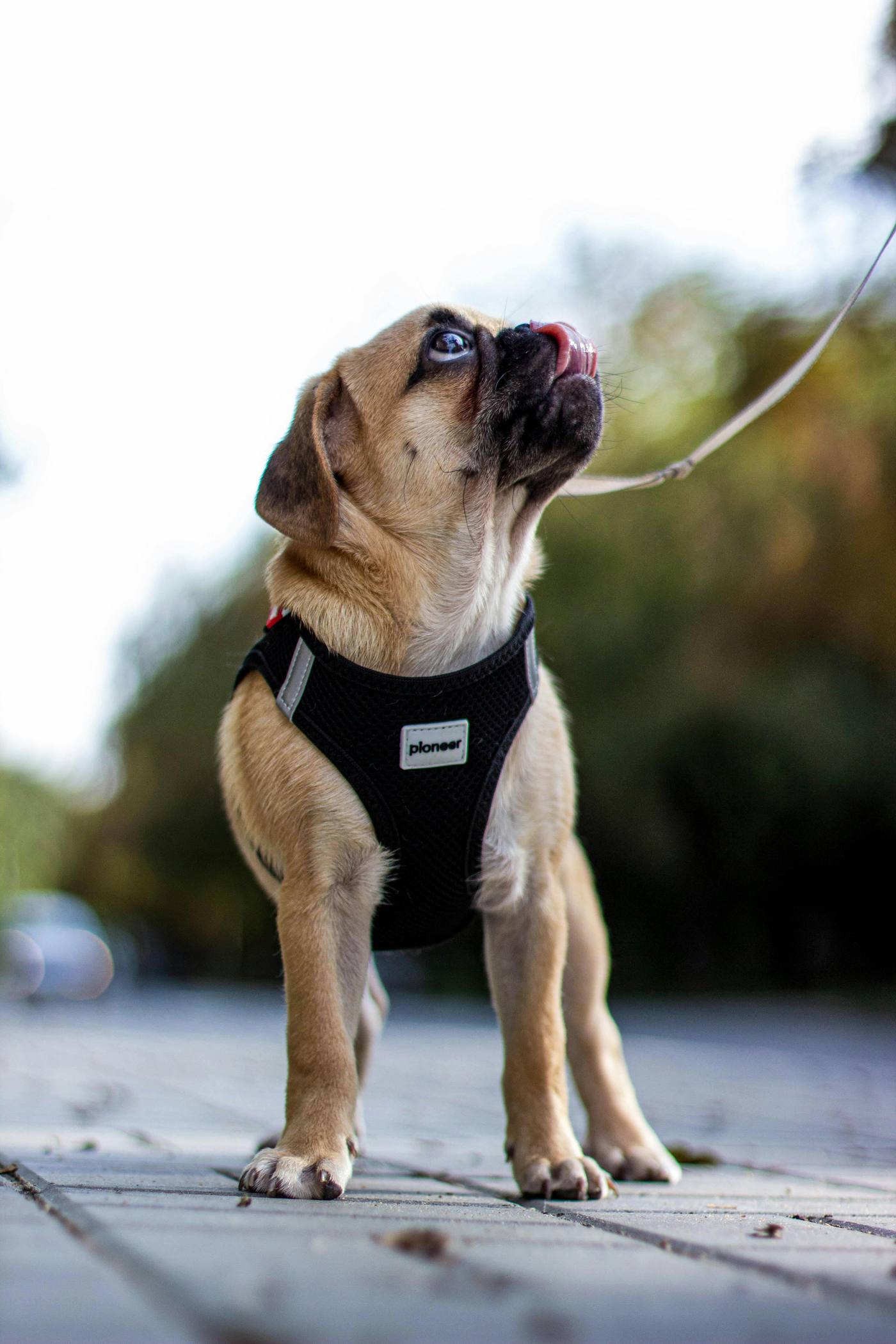
Because of their neck and airway sensitivity, most vets and pug owners recommend using a harness rather than a collar for daily walks. A collar puts direct pressure on the throat when a pug pulls, which is exactly the wrong place to apply pressure on a brachycephalic dog.
A well-fitted harness distributes pressure across the chest and shoulders instead. If your pug has any breathing issues, discuss this with your vet before making a choice.
Collars are fine for ID tags. Just use a harness for the lead.
Daily Routine: What Pug Care Actually Looks Like
Here's a realistic picture of what day-to-day pug care involves:
Every day:
Two short walks (or one, weather permitting)
Measured meals at regular times
Fresh water always available
A quick wrinkle check and wipe if needed
Some form of mental enrichment or play
A few times a week:
Wrinkle and tail pocket cleaning (2–3x minimum)
Teeth brushing (ideally every day, but a few times a week is better than nothing)
Brushing the coat
Monthly:
Nail trim
Bath
Ear check and clean
Every year:
Veterinary check-up
Vaccinations as recommended
Weight and condition check
Discussion of any breathing, mobility, or skin concerns
Temperature and Environment
Pugs are genuinely vulnerable to both heat and cold.
In summer, keep them in cool, well-ventilated spaces during the hottest parts of the day. Never leave a pug in a parked car, even briefly with windows cracked. Heat stroke can develop fast in flat-faced dogs.
In cold weather, some pugs — especially older ones or those with thin coats — benefit from a dog coat for outdoor walks. They can get cold quite quickly.
Indoors, air conditioning or a fan in summer and adequate warmth in winter makes a real difference to their comfort and breathing.
Lifespan and Aging
Pugs typically live 12 to 15 years, though individual health and care make a significant difference. Senior pugs (from around 7–8 years) often slow down, sleep more, and may develop joint stiffness. Their nutritional needs change, their exercise capacity decreases, and health monitoring becomes more important.
Senior vet visits twice a year (rather than once) are worth considering once your pug reaches this stage.
A Note on Finding a Pug
If you're still deciding whether to get a pug, this matters: where your pug comes from affects their health significantly. Dogs from responsible breeders who health-test their breeding dogs and select for better airway structure tend to have fewer serious health issues than those from puppy mills or irresponsible backyard breeders.
Rescue is also a genuinely good option — many wonderful adult pugs need homes.
Either way, ask questions. A pug with extreme facial flattening and very small nostrils is likely to have more breathing difficulties throughout their life. Some breeding programs are now selecting for slightly longer muzzles specifically to improve health outcomes.
Veterinary disclaimer: This guide provides general information about pug care and is not a substitute for professional veterinary advice. Every pug is different, and health decisions should always be made in consultation with a qualified veterinarian.
FAQ
Are pugs hard to take care of?
Pugs need more daily attention than many people expect — particularly around grooming, wrinkle cleaning, weight management, and temperature safety. They're not the most demanding breed overall, but they're not low-effort either. The more you understand about their specific needs, the easier it gets.
How often should I clean my pug's wrinkles?
Aim for at least 2–3 times per week. Some pugs with deeper folds or skin that's prone to moisture buildup need daily attention. Always dry the folds completely after cleaning — dampness left in the folds is what causes irritation and infection.
Can pugs be left alone during the day?
Pugs are social dogs and don't love being alone. Many do fine for a few hours with enrichment toys and a comfortable environment, but they can become anxious or destructive if left alone for very long periods regularly. If you work full-time, consider a dog walker, doggy daycare, or a second dog for company.
How do I know if my pug is too hot?
Signs of overheating include extremely labored or rapid breathing, excessive drooling, lethargy, stumbling, and gums that look bright red or, in serious cases, pale or bluish. If you suspect heat stroke, move your pug to a cool place immediately, offer small amounts of cool (not ice cold) water, and contact a vet urgently. Don't wait to see if they recover on their own.
Should I use a collar or harness on my pug?
Most vets recommend a harness for walking because collars put pressure directly on the throat — exactly the wrong area for a brachycephalic dog. A collar is fine for wearing an ID tag at home. For walks, a well-fitted chest harness is the safer option.
When should I take my pug to the vet?
Routine annual check-ups are a baseline. Beyond that, see a vet promptly if you notice: labored breathing at rest, sudden changes in appetite or behavior, eye redness, swelling, or cloudiness, rear leg weakness or wobbling, unusual weight loss or gain, persistent skin redness or odor in the folds, or any signs of pain or distress.