How to Potty Train a Pug Puppy: Simple Step-by-Step Guide
A realistic pug-specific potty training routine covering schedules, crate training, accidents, rewards, and weather challenges.
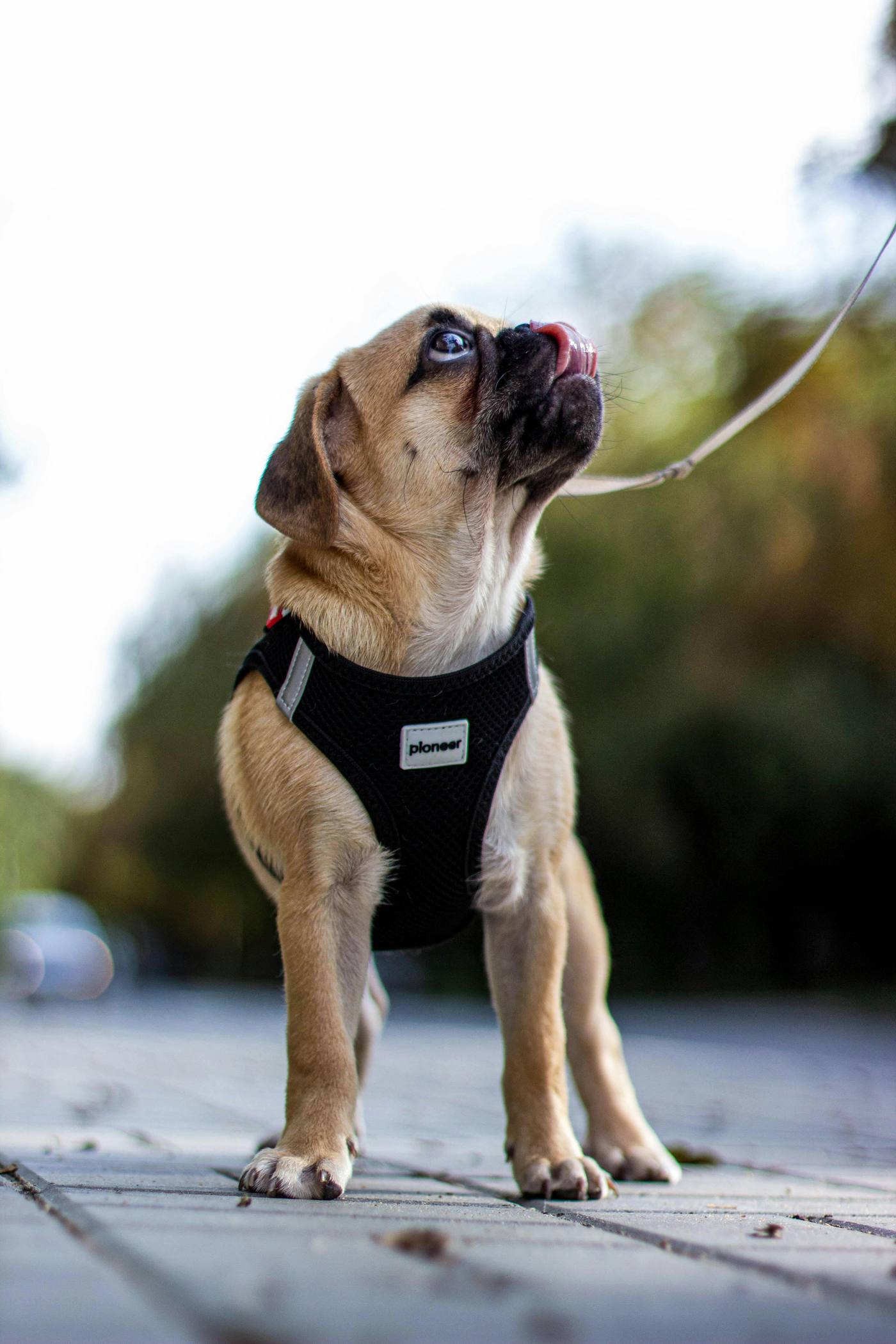
Potty training a pug puppy takes patience. Pugs can be stubborn, sensitive to weather, and slow to build reliable habits, but a clear routine works.
Why Pugs Are Harder to Housetrain
Pugs respond strongly to routine, can dislike uncomfortable weather, and often need more repetition than some breeds. This does not mean they cannot learn; it means consistency matters.
What You Need
Use a correctly sized crate, tiny high-value treats, enzymatic cleaner for accidents, and one consistent outdoor toilet spot or one fixed puppy-pad area.
Choose Your Method
Choose outdoor training or pad training first, then stick to the plan. Mixing both without a clear transition can confuse a puppy.
Use the Crate Correctly
The crate should be big enough to stand, turn around, and lie down, but not so big that the puppy can toilet in one corner and sleep in another. Never use it as punishment.
Follow a Schedule
Take your puppy out first thing in the morning, after meals, after naps, after play, before bed, and whenever they sniff, circle, or seem restless. Very young puppies may need a trip every 30 to 60 minutes while awake.
Handle Accidents
If you catch an accident happening, interrupt calmly and take the puppy out. If you find it later, clean it with enzymatic cleaner and move on. Punishment usually makes housetraining worse.
Realistic Timeline
Many pug puppies become reliable between four and six months, but some take longer. If accidents continue despite consistent training, ask your vet to rule out medical issues.
Related Reading
- Pug puppy care for new owners
- Are pugs easy to train? Beginner guide
- Common pug health problems every owner should know
FAQ
Can I use puppy pads?
Yes, especially in flats or difficult weather, but you may need to transition to outdoor toileting later.
Why does my pug still have accidents?
The most common causes are too much freedom too soon, not enough outdoor trips, or accident spots that were not cleaned with enzymatic cleaner.
Related Articles
Can Pugs Be Left Alone? Separation Anxiety Guide
How long can a pug be left alone, signs of separation anxiety, and practical steps to help your pug feel calm when you're out.
Read more →Are Pugs Easy to Train? Beginner Training Guide
Pugs can be stubborn, but they are trainable. Learn what actually works, how short sessions should be, and the biggest mistakes to avoid.
Read more →
Is a Pug Right for You? Honest Guide for Future Owners
Thinking about getting a pug? Read the honest pros, cons, health needs, lifestyle fit, and real ownership costs before you commit.
Read more →