Best Pug Harnesses for Flat-Faced Dogs
Find the best harnesses for pugs, including what to look for, what to avoid, fit tips, and why collars are risky for flat-faced dogs.
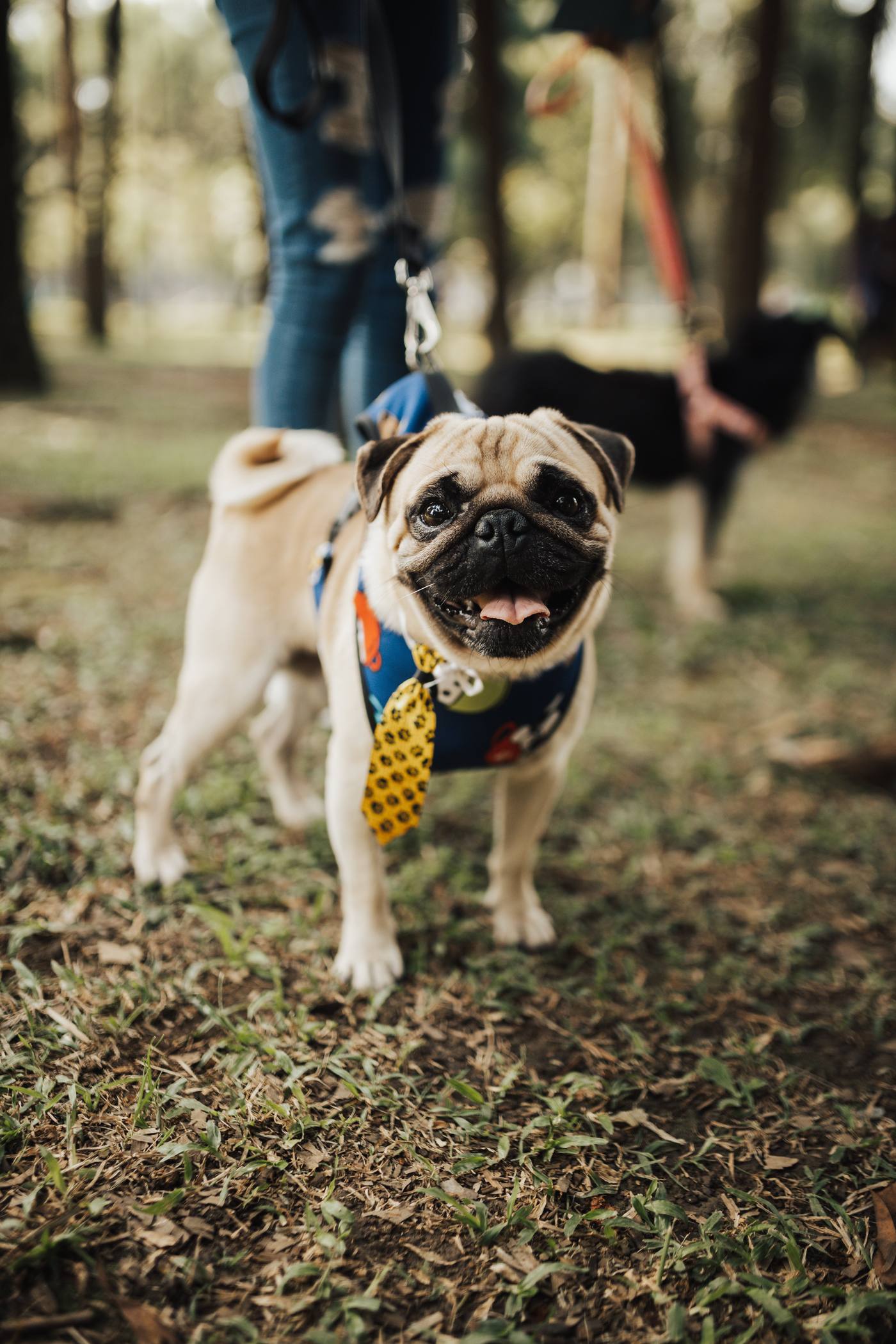
If you've just brought home a pug and started googling "best harness," you're already doing the right thing. Harnesses really do matter more for pugs than for most other breeds — and it's not just marketing. There's a genuine anatomical reason, and once you understand it, choosing the right harness becomes much clearer.
Here's what this guide covers: why collars are risky for pugs, what harness features actually matter for their body shape, the types of harnesses worth considering, and a few things to avoid. No fake reviews, no padding — just useful buying guidance.
Why Collars Are Risky for Pugs
Pugs are a brachycephalic breed. That word refers to their compressed facial structure — the flat face, shortened snout, and narrowed nostrils — but the effects go deeper than appearance. Their airways are already working harder than those of longer-snouted dogs. Many pugs have some degree of Brachycephalic Obstructive Airway Syndrome (BOAS), which can include narrowed nostrils, an elongated soft palate, and a narrowed trachea.
When a dog pulls on a collar — or even when a collar simply sits snugly around the neck — it puts direct pressure on the trachea. For most healthy dogs, this is uncomfortable. For pugs, it can genuinely make breathing harder. Some pugs with airway issues can also have a narrower-than-normal trachea, which makes any throat compression more concerning.
A harness moves that pressure point away from the throat entirely and distributes it across the chest and shoulders instead. That's the core reason harnesses are recommended for pugs, and most veterinarians who specialise in brachycephalic breeds will tell you the same.
A note from us: If your pug has been diagnosed with BOAS or has significant breathing problems, talk to your vet before buying any harness. They may have specific recommendations based on your dog's anatomy.
What Makes a Harness Safe for Pugs
A safe pug harness keeps pressure off the throat and trachea, sits flat across the sternum rather than the neck, allows full shoulder movement, and is easy to adjust at both the chest and the belly. Breathable materials matter too, since pugs overheat easily — for related guidance see how much exercise a pug needs. The next sections cover what to look for and what to avoid in practice.
What Makes Pug Harnesses Tricky to Fit
Pugs have a body shape that doesn't fit neatly into generic sizing. A few things to be aware of:
Barrel chest. Pugs are wide and deep in the chest relative to their overall size. A harness sized by weight alone often won't fit correctly — the chest measurement matters more.
Short neck and low-set shoulders. Some harnesses sit in a way that presses against the base of the throat anyway, which defeats the purpose. The front chest strap needs to sit across the sternum, not the throat.
Broad shoulders. Certain harness designs can restrict shoulder movement on stocky, wide-chested dogs. This won't necessarily hurt your pug, but it can make movement awkward and uncomfortable over time.
Skin folds and wrinkles. Where a harness sits against the body matters for skin health too. A harness that rubs consistently against a fold can cause irritation. Checking fit after walks — especially in warm weather when your pug may have been sweating slightly — is worth doing, at least initially.
Heat sensitivity. Pugs overheat easily. A thick, padded nylon harness might seem soft and comfortable, but in summer it traps heat against the body. Breathable mesh designs are worth considering for warm-weather walks.
Types of Harnesses Worth Considering
Step-In Harnesses
The dog steps their front paws into two loops, and the harness clips at the back. This design is straightforward to put on, has no parts going over the head (which some pugs dislike), and tends to sit well on smaller, compact dogs.
The thing to check: make sure the chest strap lies flat across the sternum and doesn't creep toward the throat when your pug pulls forward. With step-in harnesses, the fit can shift depending on the dog's shape.
Vest-Style Harnesses
These wrap around the body more fully and are often padded or lined with mesh. They distribute pressure very evenly and tend to be harder to slip out of — which matters, because a determined pug that's spooked by something can back out of a poorly fitted harness.
Mesh vest harnesses are a good option for summer. Look for ones that have an adjustable chest strap, not just a fixed loop. Pugs often need a smaller chest circumference but a relatively wide girth — a harness with two separate points of adjustment (chest and belly) is much easier to fit correctly.
H-Style Harnesses
These have a classic H-shape when laid flat: two loops connected by a strap across the back. They're simple, lightweight, and adjustable. The downside is that the fit can vary a lot depending on where exactly the connecting strap sits on your pug's back — too far forward and it may press on the shoulders; too far back and the front loop may shift toward the throat.
A well-fitted H-harness on the right pug works well. It just requires a bit more trial and adjustment than a vest-style.
Front-Clip vs Back-Clip
Most pug harnesses clip at the back (between the shoulder blades). This is the default and works well for most situations.
Front-clip harnesses attach at the chest and are sometimes marketed as "no-pull" harnesses because they redirect the dog when they pull. However, for pugs, front-clip designs need to be evaluated carefully. If the clip sits too low — near the sternum or throat — the leash attachment can still create pressure issues when the dog pulls toward something. Some front-clip harnesses are also designed in a way that restricts shoulder movement, which can be uncomfortable for stocky breeds.
If you want to work on leash manners, a front-clip harness can be useful, but check the placement of the attachment ring and how the leash sits in practice before committing to regular use.
Best Pug Harness Features
When you're comparing harnesses, these are the features that matter most for pugs specifically:
Adjustable chest strap — not just a size chart based on weight
Front strap sits on the sternum, not on or near the throat
No restriction of shoulder movement — your pug should be able to walk normally
Secure fastening — pugs can back out of loose harnesses; look for two clip points or a snug-wrapping vest design
Breathable material — especially if you walk in warm weather; mesh panels help
Easy to put on — step-in or vest designs avoid going over the head, which some pugs find stressful
Padded edges near the armpits — reduces the chance of chafing with regular use
Reflective strips — useful for early morning or evening walks, when visibility is lower
How to Measure Your Pug
Don't buy based on weight alone. For a pug, measure two things before ordering:
Chest girth — the widest part of the ribcage, measured just behind the front legs
Neck circumference — measured loosely, to make sure the neck opening isn't going to press against the throat
Most harness brands include a sizing chart with these measurements. If your pug falls between sizes, size up and adjust the straps rather than sizing down.
After fitting, the general rule is the two-finger test: you should be able to slide two fingers comfortably under any strap, but not more than that. Too loose and a determined pug can escape; too tight and it's uncomfortable and restricting.
What to Avoid
Avoid harnesses that only adjust at one point. If the only adjustment is one clip or one strap, you'll struggle to get a good fit on a barrel-chested dog.
Avoid anything with a metal ring or attachment point near the throat. Even if the harness is technically a "chest harness," check where the leash clips. Some designs route the leash to a point that's too close to the throat.
Avoid very thick, non-breathable padding in warm climates or summer use. A soft harness isn't always a breathable harness.
Don't rely on harnesses marketed as "for pugs" without checking the actual design. Some are just relabelled generic small-dog harnesses. Look at the measurements and the chest strap placement rather than the breed label.
When to Ask Your Vet
If your pug has been diagnosed with BOAS, has had corrective airway surgery, or struggles noticeably with breathing during walks (excessive open-mouth panting, wheezing, blue-tinged gums — the latter is an emergency), get a specific recommendation from your vet before buying any walking equipment.
Even without a diagnosis, if your pug seems uncomfortable in a new harness — stops mid-walk, scratches at it repeatedly, seems to breathe harder — take it off and assess the fit again. A harness that's rubbing in the wrong place or sitting against the airway isn't doing its job.
One Last Thought on Collars
Most owners keep a collar on their pug for ID tags — and that's fine. The concern isn't wearing a flat collar around the house; it's attaching a leash to it. For walks, use the harness. Let the collar carry the tag. That's a sensible middle ground that most pug owners land on.
FAQ
Do pugs really need a harness, or is this just something pet shops push?
The reasoning is genuine and grounded in pug anatomy. Brachycephalic breeds like pugs have compressed airways and a narrowed trachea in some cases. Collar pressure — especially when a dog pulls — puts direct force on the throat. Harnesses redirect that force to the chest. Most vets who work with brachycephalic breeds recommend harnesses over collars for walks.
My pug hates having anything put over his head. What type of harness works best?
Step-in harnesses and some vest-style designs avoid going over the head entirely. Your pug steps into the loops and the harness clips at the back. This is often the easiest option for dogs who resist having things put on over their head.
How do I know if a harness fits correctly?
The front chest strap should sit across the sternum — flat and low, not near the throat. You should be able to fit two fingers under any strap, but no more. The harness shouldn't shift when your pug walks or pull toward the neck when the leash is attached.
Can I use a no-pull harness on a pug?
Potentially, but check the design carefully. Front-clip harnesses used for no-pull training need to have the attachment ring positioned at the sternum, not near the throat. Some front-clip designs also restrict shoulder movement on stocky dogs. If you want to work on pulling, it's worth asking your vet or a trainer whether a front-clip harness suits your pug's specific build and breathing.
My pug has had airway surgery. Does that change what harness I should use?
Yes — talk to your vet. Post-surgical pugs may have specific needs or restrictions, and your vet is best placed to advise on walking equipment during recovery and afterward.
How often should I check the harness fit?
Check it every few months, especially for puppies who are still growing. Adult pugs can also change shape slightly with weight gain or loss. If you notice any rubbing, redness, or hair loss where the harness sits, check the fit and consider a different design.
Related Articles

Best Slow Feeders for Pugs That Eat Too Fast
Does your pug inhale food and vomit afterward? Learn which slow feeders work best for flat-faced dogs and what features to check.
Read more →
Can Pugs Be Left Alone? Separation Anxiety Guide
How long can a pug be left alone, signs of separation anxiety, and practical steps to help your pug feel calm when you're out.
Read more →
Is a Pug Right for You? Honest Guide for Future Owners
Thinking about getting a pug? Read the honest pros, cons, health needs, lifestyle fit, and real ownership costs before you commit.
Read more →