Why Do Pugs Snore So Much?
The brachycephalic basics: why pugs snore, when it is normal, and when to worry.

Health note: This article is for general information only and is not a substitute for veterinary advice. Always consult a qualified veterinarian about your pug's specific health, diet, or symptoms.
If you've ever sat in the same room as a sleeping pug, you already know — the snoring is real. It can sound like a tiny freight train. Some pugs snore so loudly that their owners check on them mid-night just to make sure everything is fine.
The short answer: pug snoring is completely normal, and it comes down to anatomy. But there's a longer answer worth understanding, because while snoring is expected with pugs, there's a difference between the usual nighttime rumble and breathing that's actually causing your dog distress.
Here's what's really going on.
The Reason Pugs Snore: It's All in the Face
Pugs are what veterinarians call brachycephalic dogs. That word comes from Greek — it means "short head." It refers to dogs bred to have a compressed skull and a flat, pushed-in face: pugs, bulldogs, French bulldogs, Boston terriers, and similar breeds.
That flat face is part of what makes pugs look the way they do. But it also means that all the soft tissue inside the nose, mouth, and throat — the same amount that would exist in a longer-snouted dog — is packed into a much smaller space.
The result is a set of anatomical quirks that affect breathing:
Stenotic nares — This just means narrow nostrils. If you look at a pug head-on, you'll often notice the nostrils are quite small compared to the size of the nose. Smaller nostrils mean less airflow coming in, so the dog has to work harder to breathe, especially during sleep.
Elongated soft palate — The soft palate is the soft tissue at the back of the roof of the mouth. In pugs, it's often too long for the space available, so it can partially block the airway. During sleep, when muscles relax, it vibrates — and that vibration is what creates the snoring sound.
Hypoplastic trachea — Some pugs also have a windpipe (trachea) that's narrower than average, which restricts airflow further.
Everted laryngeal saccules — These are small pouches inside the larynx. In dogs with restricted airways, they can get pulled inward over time, further narrowing the passage. This tends to develop as a secondary complication in dogs with more significant breathing problems.
Together, these features form a condition vets call Brachycephalic Obstructive Airway Syndrome, or BOAS. Not every pug has all of these issues, and severity varies widely from dog to dog. Some pugs snore gently and live comfortably their whole lives. Others have more significant obstruction that genuinely affects their quality of life.
Is My Pug's Snoring Normal?
For most pugs, yes — a certain amount of snoring, snuffling, and heavy breathing is just part of life with the breed. It tends to happen most during:
Deep sleep (especially on their back or in a curled position)
After exercise or excitement
In hot or humid weather
When they have a slight cold or allergies
After eating too fast
If your pug is snoring at night but otherwise seems comfortable, energetic, eating well, and happy during the day, that's reassuring. You're probably just living with a naturally loud sleeper.
A few things can make normal pug snoring worse temporarily:
Weight — Even a small amount of extra weight puts pressure on the airway and makes breathing noticeably harder. This is one of the most controllable factors. Pugs that are kept lean tend to breathe more easily than those who are overweight.
Sleep position — Pugs who sleep on their backs tend to snore more because the soft palate falls further back. Some owners find their pug snores less when sleeping on their side or with their head slightly elevated. You can't control where they sleep, but it's worth noting.
Heat and humidity — Pugs are genuinely heat-sensitive. Hot air is harder to move through a restricted airway, and humid weather makes it worse. Snoring often gets louder in summer.
Allergens and irritants — Dust, pollen, smoke, and strong scents can irritate the nasal passages and make snoring worse. Some pugs develop mild seasonal allergies just like people do.
When Snoring Becomes a Health Concern
This is the part that matters most. There's a line between "pug being a pug" and "pug struggling to breathe," and it's important to know where that line is.
Contact your vet if you notice any of the following:
Laboured breathing at rest — If your pug's sides are heaving or their neck is stretched forward just to breathe while calm, that's not normal.
Blue, grey, or pale gums — This is a sign of low oxygen and is a genuine emergency. Get to a vet immediately.
Noisy, wet, or rattling breathing — Different from snoring. This kind of breathing often involves struggle.
Gagging or retching regularly — Can be a sign the soft palate is causing issues when awake, not just during sleep.
Sleeping sitting up or refusing to lie flat — Some dogs with airway problems will avoid lying down because it makes breathing harder.
Sudden change in snoring — If your pug's snoring has suddenly gotten much louder or more frequent, it's worth having them checked. Sometimes this signals a new issue, such as a respiratory infection, weight gain, or a worsening of existing airway problems.
Exercise intolerance — If your pug gets winded very quickly on short walks, takes a long time to recover, or avoids activity they used to enjoy, airway issues might be affecting them.
BOAS is graded by vets on a scale of severity. Mild cases may just need monitoring and lifestyle management. More significant cases sometimes benefit from surgical procedures to open the nostrils or trim the soft palate. These procedures can make a real difference for dogs who are genuinely struggling — not cosmetic, but genuinely functional improvements. Your vet can assess whether your pug would benefit from this.
A Note on Puppies
Pug puppies often breathe noisily from a young age, and some of it is just normal puppy snuffling. But it's worth having your vet check your pug's airway early — ideally in their first year. If there are stenotic nares, some vets recommend addressing them sooner rather than later, as correcting airway issues early may reduce the development of secondary problems like everted saccules. Ask your vet about this directly; it's a reasonable question and they'll give you specific guidance based on your dog.
What You Can Actually Do
You can't change your pug's anatomy, but you can make their breathing easier in practical ways:
Keep them at a healthy weight. This is probably the single most impactful thing you can do. Talk to your vet about your pug's ideal weight and appropriate portion sizes.
Avoid heat and humidity. Keep your pug cool in summer. Avoid walks in the middle of the day when it's hottest. A cool indoor space matters.
Use a harness instead of a collar. Collars put pressure on the neck and throat. For a breed already dealing with a compressed airway, a well-fitted harness is a safer choice for walks. If your pug has known breathing issues, ask your vet which type they recommend.
Don't smoke around them. Secondhand smoke irritates airways in dogs, just as it does in people.
Keep their sleeping area clean. Dust can aggravate their breathing. Wash their bedding regularly.
Have them checked annually. A yearly vet visit gives you a chance to ask about their breathing, weight, and any changes you've noticed. It's the best way to catch problems early.
The Takeaway
Pugs snore because their anatomy creates a naturally restricted airway — it's expected with the breed, and for most pugs it's just a feature of living with a flat-faced dog. The snoring itself isn't harmful as long as your pug is comfortable and breathing easily when awake.
What matters is knowing your individual dog. If they're happy, active, eating well, and not showing signs of distress, the nighttime noise is probably just the sound of a pug being a pug. But if anything seems off — especially laboured breathing, blue gums, or a sudden change — don't wait. That's what vets are for.
Veterinary note: This article is for general information only. If you have concerns about your pug's breathing, speak with your vet. BOAS ranges widely in severity, and only a vet can assess your individual dog properly.
FAQ
Is it normal for pugs to snore every single night?
Yes, most pugs snore consistently — it's a result of their flat-faced anatomy. As long as your pug seems comfortable and healthy during the day, nightly snoring is expected.
My pug snores really loudly. Should I be worried?
Loud snoring alone isn't necessarily a problem if your pug is otherwise well — eating, drinking, exercising normally, and not showing signs of breathing difficulty. But if the snoring is accompanied by laboured breathing, gagging, or any signs of distress, have them seen by a vet.
Can anything make my pug snore less?
Keeping them at a healthy weight, avoiding heat, and using a harness instead of a collar can all help. Some pugs snore less when sleeping on their side. Surgery to widen the nostrils or shorten the soft palate can reduce snoring and improve breathing in dogs with significant BOAS, but this is a decision to make with your vet.
Why does my pug snore more in summer?
Hot, humid air is harder to breathe through a restricted airway, so snoring tends to worsen in warm weather. Keeping your pug cool — indoors with air conditioning or a fan, and avoiding outdoor exercise during the hottest parts of the day — helps noticeably.
Do all pugs have BOAS?
Most pugs have some degree of brachycephalic anatomy, but the severity of BOAS varies. Some pugs have very mild symptoms and live comfortably without intervention. Others have more significant obstruction that affects their quality of life. A vet can assess where your pug falls on that spectrum.
At what age should I have my pug's airway checked?
It's a good idea to ask your vet to assess your pug's airway during their first-year checkups. If stenotic nares or other issues are identified, your vet can advise whether early intervention would be beneficial.
Related Articles
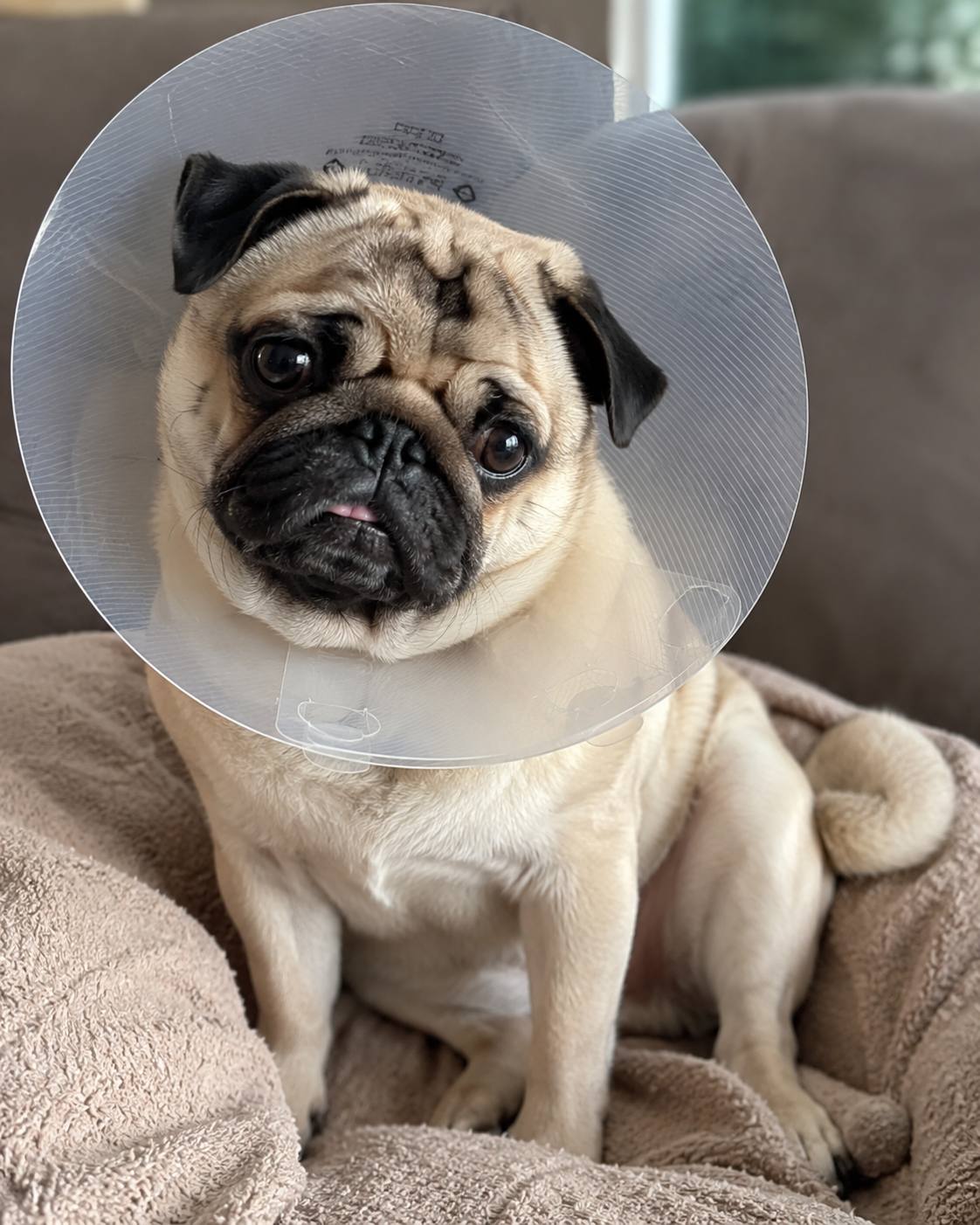
Pug Health Issues: Common Problems to Watch For
Understand common pug health issues, including breathing problems, eye problems, skin folds, weight gain, overheating, and when to call your vet.
Read more →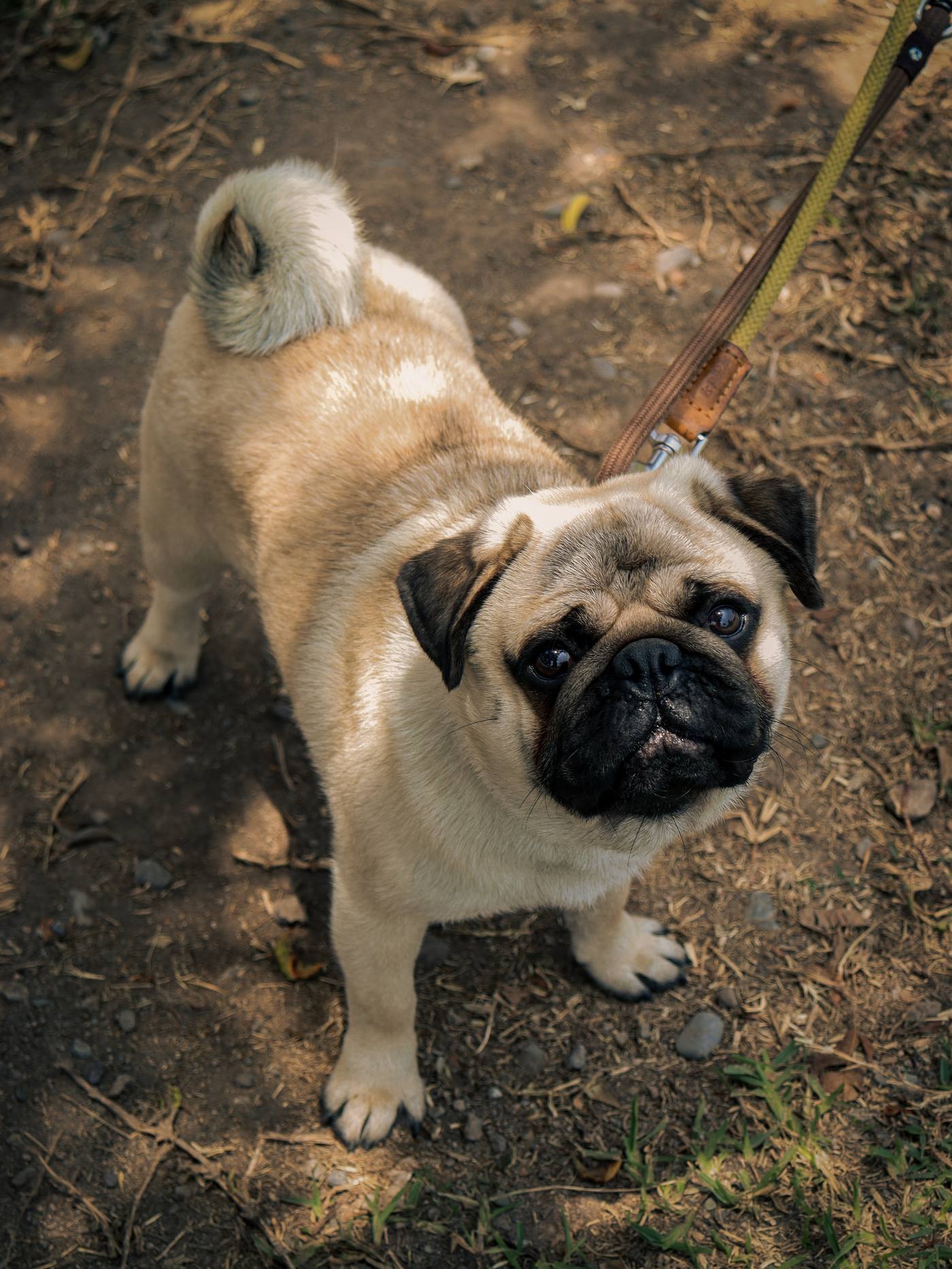
Can Pugs Be Left Alone? Separation Anxiety Guide
How long can a pug be left alone, signs of separation anxiety, and practical steps to help your pug feel calm when you're out.
Read more →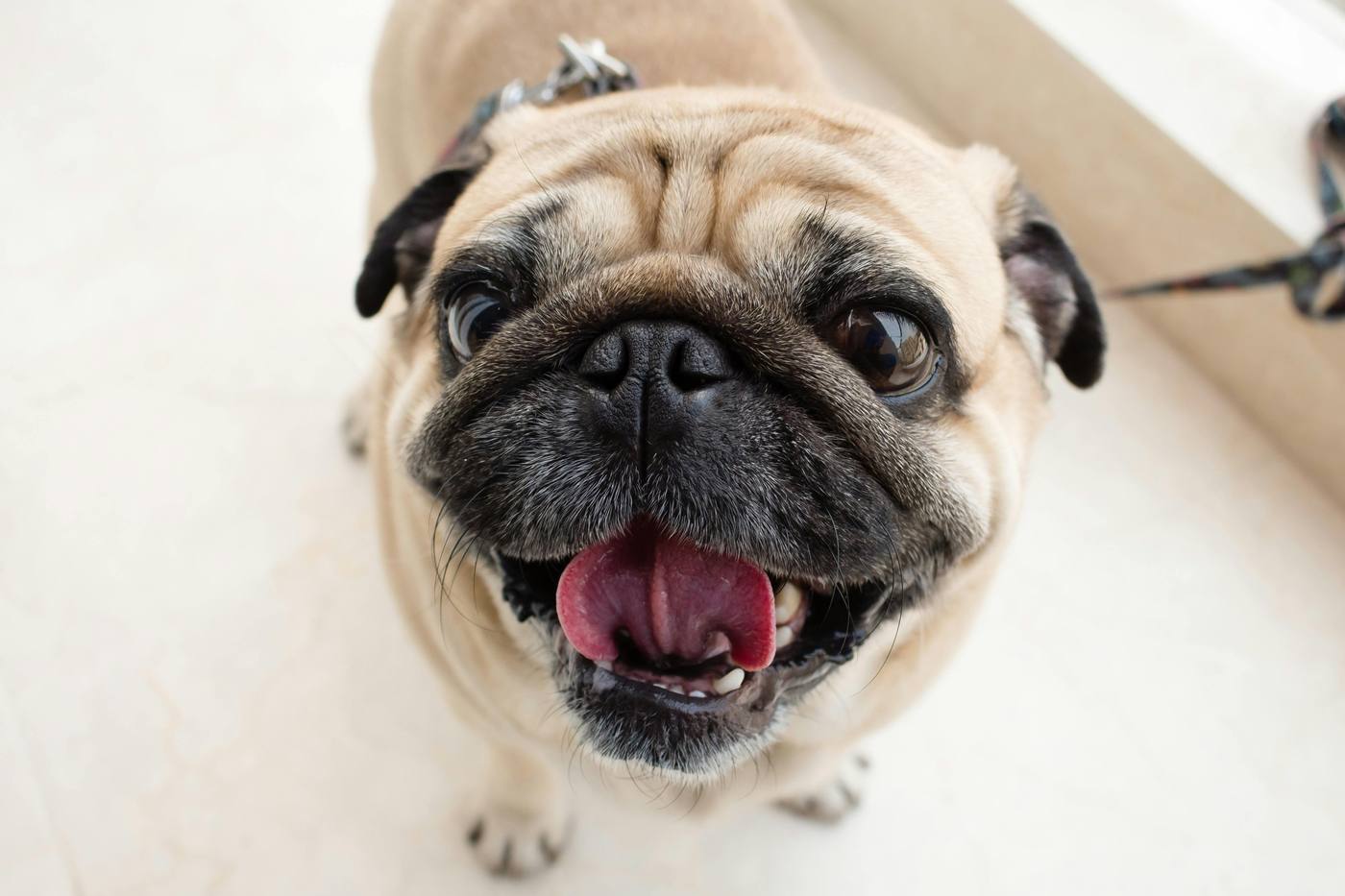
Is a Pug Right for You? Honest Guide for Future Owners
Thinking about getting a pug? Read the honest pros, cons, health needs, lifestyle fit, and real ownership costs before you commit.
Read more →